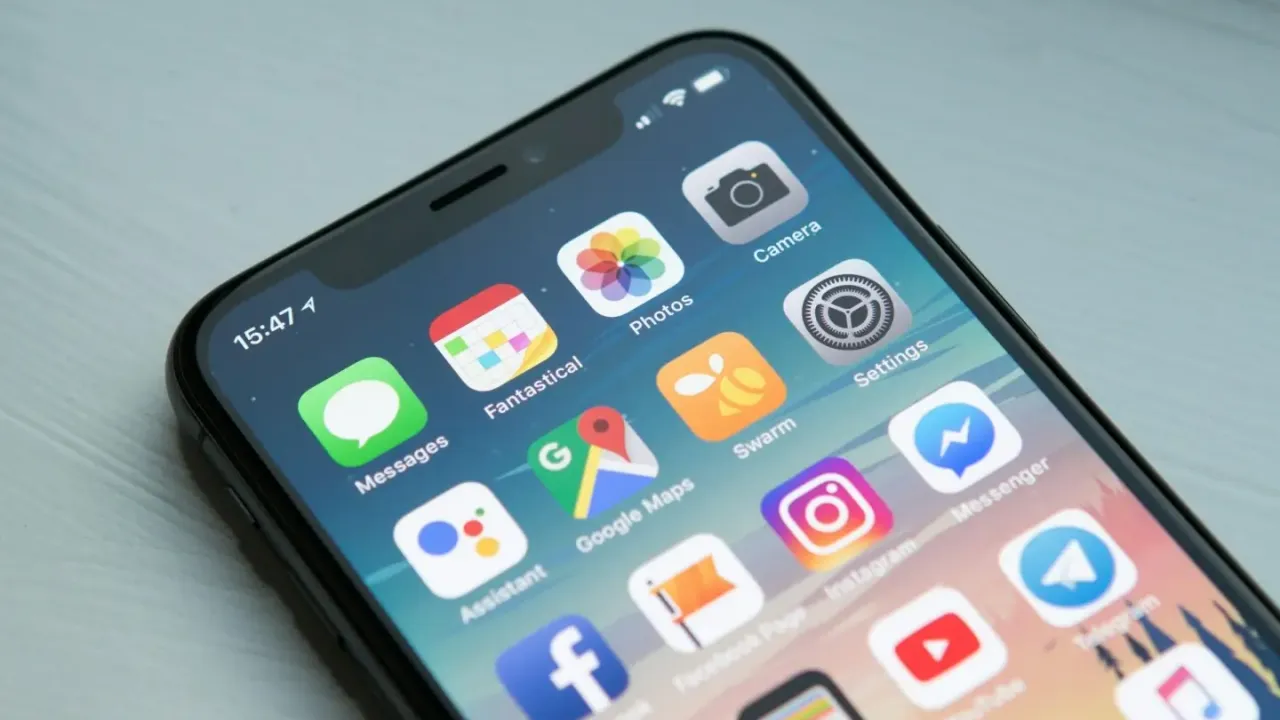
Sydney, 23 May 2024 – Teenagers have reported their levels of concentration in class and socialising at school have improved because of school phone bans as parents throw their full support behind the restrictions.
New research from youth engagement platform Anyway surveying 1089 school students aged 15 and older nationally offers one of the first insights into how the newly implemented school phone bans are impacting schools and students nationwide and their surprising level of support for them.
The research has found 84% of school students nationally say their school has a phone ban.
Significant differences in phone ban implementation were found between the school systems, with 93% of public school students, 85% of Catholic school students, and 71% of private school students reporting their school has a phone ban.
When students who go to a school with a phone ban were asked about their position on their school’s phone ban, 6% said they strongly support it and 18% support it, while 33% said they are neutral, and 14% said they strongly oppose it and 29% oppose it. In total this means 24% support the bans, 33% are neutral and 43% are against them.
A separate Anyway survey of 1134 parents of current school students nationally found 58% strongly support and 22% support school phone bans, while 13% said they are neutral and 2% said they strongly oppose and 5% oppose them, revealing parental opinion is significantly unified in support of school phone bans with 4 in 5 parents in favour of them.
The biggest improvement as a result of the phone bans is to socialising during recess and lunch which 32% of school students say has improved, followed by concentration in class (22%), friendships with schoolmates (18%), grades (15%), and bullying and antisocial behaviour (13%).
When it comes to how their school phone ban operates, four in five (80%) school students who go to a school with a phone ban say they have to leave their phone in their bag or their locker, 10% leave it in a lockable pouch, 3% leave it in the school office, while the remaining 7% have another form of phone ban like being able to keep their phone on them but not use it, being able to use their phones to listen to music during study periods, to no phones being allowed on school property at all.
Lockable pouches are more prevalent in public schools with 15% of public school students who go to a school with a phone ban saying their school uses a lockable pouch compared to 4% of students each from private and Catholic schools with phone bans. Lockable pouches were also found to be significantly more prevalent in NSW schools compared to Victorian schools, with 18% of NSW students who go to a school with a phone ban reporting using a lockable pouch compared to 2% of Victorian students who go to a school with a phone ban.
Anyway Co-Founder Will Stubley said: "School student opposition to phone bans is lower than many might have anticipated with less than half of high school students saying they are against them. Some of the major early impacts from school phone bans to emerge from our research do seem to reflect what many educators had predicted would occur, with a third of school students saying their socialising has improved at school and nearly a quarter of students saying their concentration in class has improved. When you extrapolate these results across the entire student cohort then they are quite a significant improvement in a short amount of time which will dramatically reshape the schooling environment and their learning.
"It’s no surprise then that our survey of parents of school students has found them overwhelmingly in favour of school phone bans, with this also putting to bed the thinking that many parents were against school phone bans because they can’t contact their children during school hours. Most parents can see the benefits of better concentration in class and the increased socialising with friends which comes from not having their phones on them during all hours of the day at school."
About the Research
Online survey of 1089 Australian school students aged 15 and above.
Conducted in April 2024.
Online survey of 1247 Australian parents with children aged between 0 and 20.
Conducted in April and May 2024.
About Anyway
Founded in 2011, Anyway is a Gen Z Publisher and Ed-tech whose purpose is to support young people to live happier, healthier and more fulfilled lives, and whose mission is to upgrade the school-to-work transition. Anyway’s suite of brands includes Career Tools, Australia’s largest school to work transition platform, with over 1250+ subscribing schools. In 2023, Anyway acquired Good Education Group, including The Good Universities Guide, The Good Schools Guide and Studies in Australia, together with Australia’s most comprehensive database of schools, universities and training providers.