Cabinetmakers
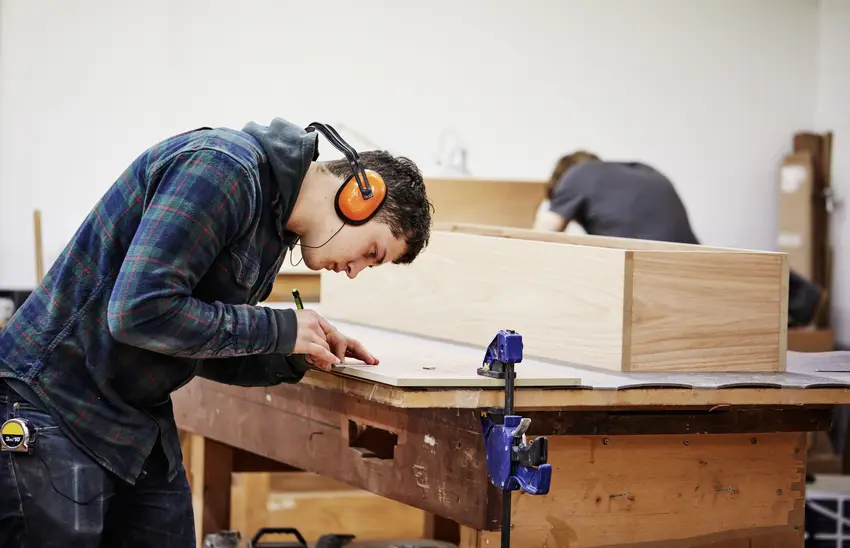
You design and build custom cabinets, furniture, and woodwork by cutting, shaping, and assembling wood using power tools, hand tools, and often CAD software for planning. You work with different wood types, finish surfaces with stain or paint, and create pieces that fit specific spaces perfectly. You need woodworking skills, design sense, and attention to detail. This trade combines art and craftsmanship.
Did you know?
Consider pursuing a Certificate III in Cabinet Making through an apprenticeship program, which combines hands-on training with classroom learning. Many TAFE institutes and private training organisations offer these programs with guaranteed job placement opportunities.
At a glance
Typical average pay
$72,000 Avg/yr
Growth
Stable
Top skill
Operations Monitoring
Things to consider
Essential Skills and Safety Training
Develop strong attention to detail, problem-solving abilities, and manual dexterity. Safety training is crucial as you'll work with sharp tools and machinery. Consider taking first aid courses and learning about workplace health and safety regulations.
Career Pathways and Specialisation
Start as an apprentice and progress to qualified tradesperson, then potentially to workshop supervisor or business owner. You can specialise in areas like antique restoration, custom kitchen design, or architectural millwork for unique career opportunities.
Key responsibilities
Examining drawings, work orders and sample parts to determine specifications
Selecting and working with materials such as timber, veneers, particle board and synthetic wood
Marking out, cutting and shaping wood
Working from drawings and specifications to make furniture
Making fittings for boats, caravans and other items where fine detail is required