Diagnostic Medical Sonographers
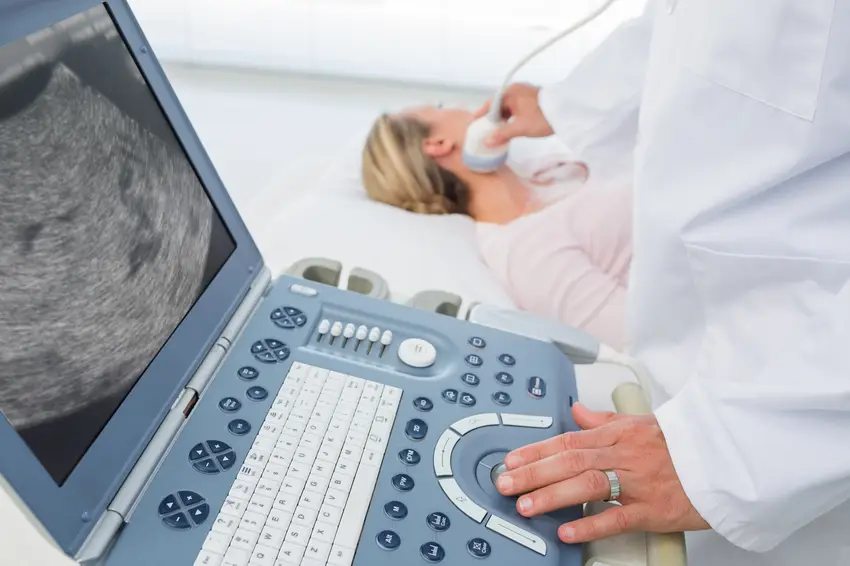
Diagnostic Medical Sonographers use specialised ultrasound equipment to create images of internal organs and tissues that help doctors diagnose medical conditions. They work directly with patients, operating advanced imaging technology to capture clear, detailed pictures of areas like the heart, abdomen, and blood vessels. This role combines technical expertise with patient care, requiring strong communication skills and attention to detail. Modern sonographers use digital imaging systems and often specialise in areas like cardiac or vascular sonography.
Did you know?
To become a Diagnostic Medical Sonographer in Australia, you'll need to complete a Bachelor's degree in Medical Sonography or Medical Imaging, or a Graduate Diploma if you already have a relevant health science degree. These programs include both theoretical study and hands-on clinical training.
At a glance
Typical average pay
$90,000 Avg/yr
Growth
Fast growing
Top skill
Active Listening
Things to consider
Technical and Interpersonal Skills
Success in this field requires strong technical skills with imaging equipment, excellent hand-eye coordination, and the ability to work closely with patients who may be anxious or in pain. Good communication skills are essential for explaining procedures and working with medical teams.
Career Opportunities and Specialisation
Sonographers can work in hospitals, private clinics, or imaging centres, with opportunities to specialise in areas like obstetrics, cardiology, or vascular imaging. The field offers good job security due to Australia's ageing population and increasing demand for medical imaging services.
Key responsibilities
Receives referrals to perform medical imaging
Determines appropriate equipment to use, and selects appropriate equipment settings to provide the diagnostic information requested by medical practitioners
Calculates details of procedures such as length and intensity of exposure and settings of recording equipment
Explains procedures to patients and answers their queries about processes
Ensures patient's welfare during procedures