Agricultural Managers
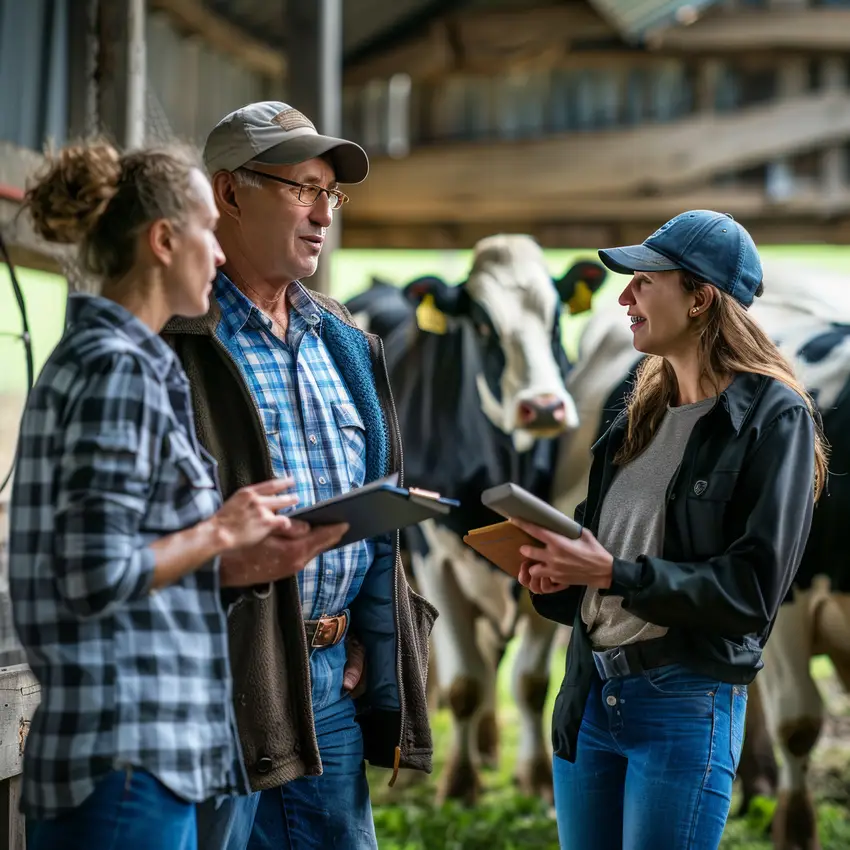
Agricultural Managers oversee the operations of farms, ranches, and other agricultural establishments, ensuring efficient production and profitability. They coordinate planting, harvesting, and livestock management while supervising farm workers and making strategic business decisions. Modern agricultural managers use GPS technology, drones, and data analytics to optimise crop yields and monitor livestock health. This career combines business acumen with agricultural knowledge and offers opportunities to work in sustainable farming practices.
Did you know?
Consider pursuing a Bachelor's degree in Agricultural Science, Agribusiness, or Rural Management at universities like Charles Sturt or University of Queensland. TAFE courses in Agriculture or Certificate IV in Agriculture can also provide practical skills and industry connections.
At a glance
Typical average pay
$90,000 Avg/yr
Growth
Stable
Top skill
Active Listening
Things to consider
Practical Experience Requirements
Hands-on experience is crucial in agriculture. Look for work experience opportunities on farms, participate in agricultural shows, or consider gap year programs on working farms to gain practical skills and industry knowledge.
Technology and Innovation Focus
Modern agriculture increasingly relies on technology including precision farming, drone monitoring, and data analysis. Developing skills in these areas alongside traditional farming knowledge will provide competitive advantages in the industry.
Key responsibilities
Breeds and raises livestock for the production of meat, fibre and milk
Maintains the health and condition of livestock
Provides pastures and fodder to maintain appropriate nutritional levels
Moves livestock to optimise feeding opportunities
Conducts farming operations such as mustering, milking, shearing and drenching livestock, sterilising machines, and collecting, grading and packaging produce