Industrial Moulders
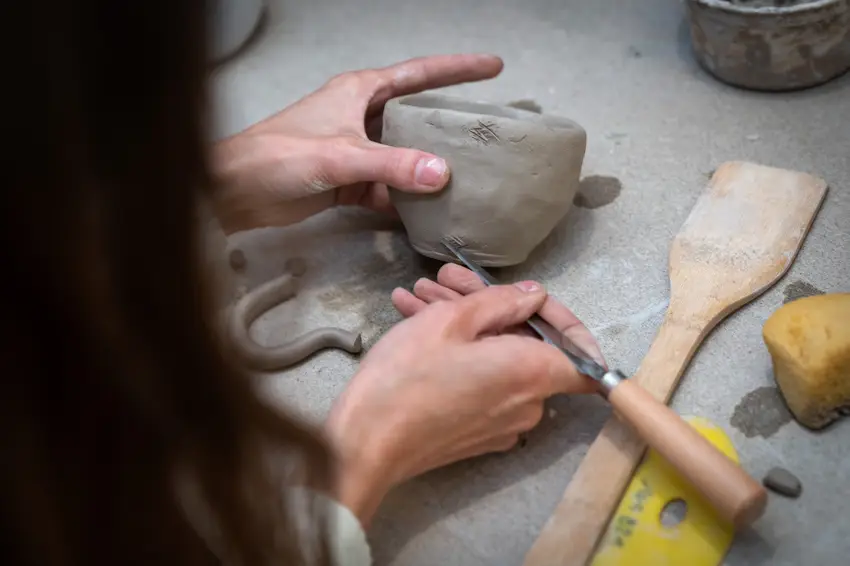
Industrial moulders shape and form products from materials like ceramics, plaster, concrete, and food using moulds, hand tools, and casting equipment. They follow specifications to create consistent, high-quality items. The role requires manual dexterity, attention to detail, and knowledge of different materials. It's a hands-on manufacturing career with applications across many industries.
Did you know?
In Australia, many moulders and casters start through apprenticeships or vocational training programs. TAFE courses in ceramics, glass work, or materials technology provide hands-on experience and industry connections that can lead to employment opportunities.
At a glance
Typical average pay
$65,000 Avg/yr
Growth
Stable
Things to consider
Creative and Technical Skills Balance
This occupation requires both artistic creativity and technical precision. Students should develop their artistic abilities while also understanding material properties, safety procedures, and quality control processes used in modern manufacturing.
Industry Diversity and Specialisation
Moulders and casters work across various industries including construction, art and crafts, food production, and manufacturing. Specialising in specific materials or products can lead to better career prospects and higher earning potential.
Key responsibilities
Monitoring the flow of raw materials and products into machines, adjusting valves and controls to specifications
Positioning materials on machines to be cut and worked
Operates mixing, stacking and splitting machines
Sets up and installs moulds and other machine fixtures
Sets up and operates machines to produce molten glass, and regulating temperature of molten glass