Agricultural Supervisors
Agricultural supervisors lead teams of workers on farms, forests, and fishing operations, making sure everything runs smoothly and safely. They train workers, monitor crop and animal health, track production numbers, and use modern technology like GPS systems and drones to oversee operations. This role combines hands-on outdoor work with leadership skills, requiring knowledge of agriculture, safety protocols, and team management. Many supervisors start as farm workers and advance through experience, though agricultural degrees can accelerate career growth.
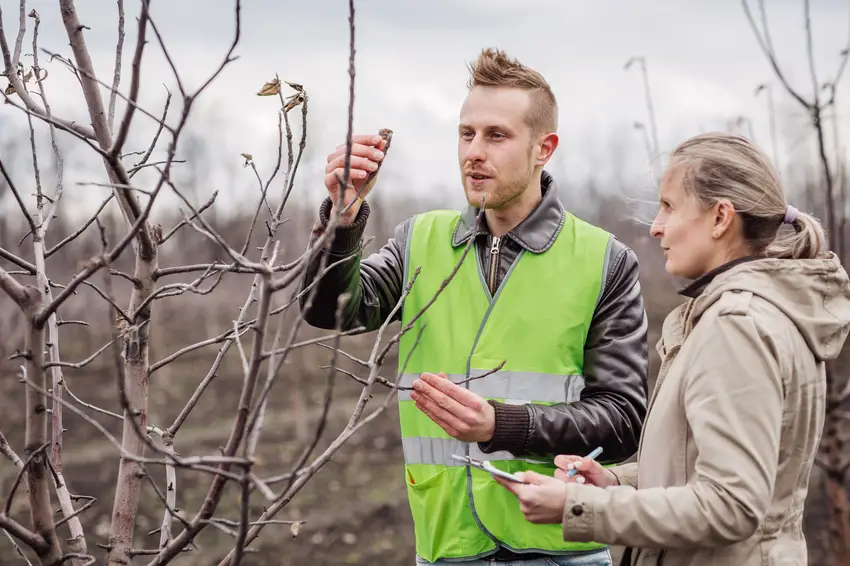
Did you know?
Most positions require a bachelor's degree in agriculture, agribusiness, or related field, along with potential certifications in pesticide application and safety management specific to US regulations.
At a glance
Typical average pay
$60,500 Avg/yr
Growth
Stable
Top skill
Coordination
Things to consider
Seasonal Employment Patterns
Work schedules are heavily influenced by planting and harvest seasons, requiring flexibility and often involving long hours during peak agricultural periods.
Technology Integration and Data Management
Modern American agriculture increasingly relies on precision farming technologies, GPS systems, and data analytics, requiring supervisors to stay current with technological advances.
Key responsibilities
Communicate with forestry personnel regarding forest harvesting or forest management plans, procedures, or schedules.
Issue equipment, such as farm implements, machinery, ladders, or containers to workers, and collect equipment when work is complete.
Direct or assist with the adjustment or repair of equipment or machinery.
Train workers in spawning, rearing, cultivating, and harvesting methods, and in the use of equipment.
Drive or operate farm machinery, such as trucks, tractors, or self-propelled harvesters, to transport workers or supplies or to cultivate or harvest fields.