Agricultural Technicians
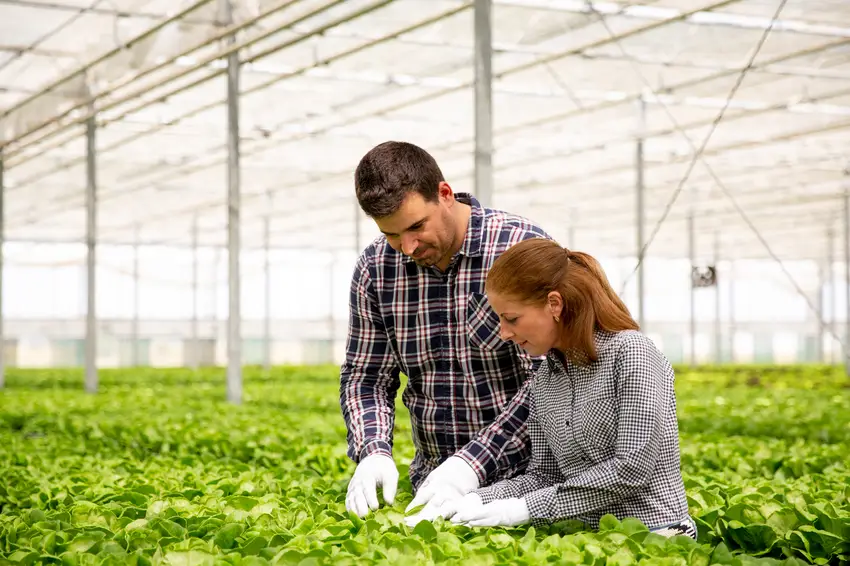
Agricultural technicians work alongside scientists to test and analyze food and crop quality using advanced laboratory equipment and technology. They collect samples from farms, operate scientific instruments to examine crops and animals for diseases, and use data analysis software to compile test results into detailed reports. This hands-on career combines fieldwork with lab science, requiring attention to detail and knowledge of both agricultural practices and modern testing methods. Many technicians start with an associate degree in agriculture or related sciences and often work in collaborative team environments.
Did you know?
Most positions require an associate degree in agriculture, biology, or related field, with some employers preferring additional certifications in specialized agricultural technologies.
At a glance
Typical average pay
$46,000 Avg/yr
Growth
Fast growing
Top skill
Reading Comprehension
Things to consider
Geographic Concentration
Job opportunities are primarily located in rural agricultural regions, particularly in the Midwest, California's Central Valley, and other major farming areas across the United States.
Technology Integration
The field increasingly requires proficiency with precision agriculture tools, GPS systems, drones, and data analysis software as farming becomes more technologically advanced.
Key responsibilities
Conduct insect or plant disease surveys.
Assess comparative soil erosion from various planting or tillage systems, such as conservation tillage with mulch or ridge till systems, no-till systems, or conventional tillage systems with or without moldboard plows.
Measure or weigh ingredients used in laboratory testing.
Determine the germination rates of seeds planted in specified areas.
Maintain or repair agricultural facilities, equipment, or tools to ensure operational readiness, safety, and cleanliness.