Anthropologists and Archeologists
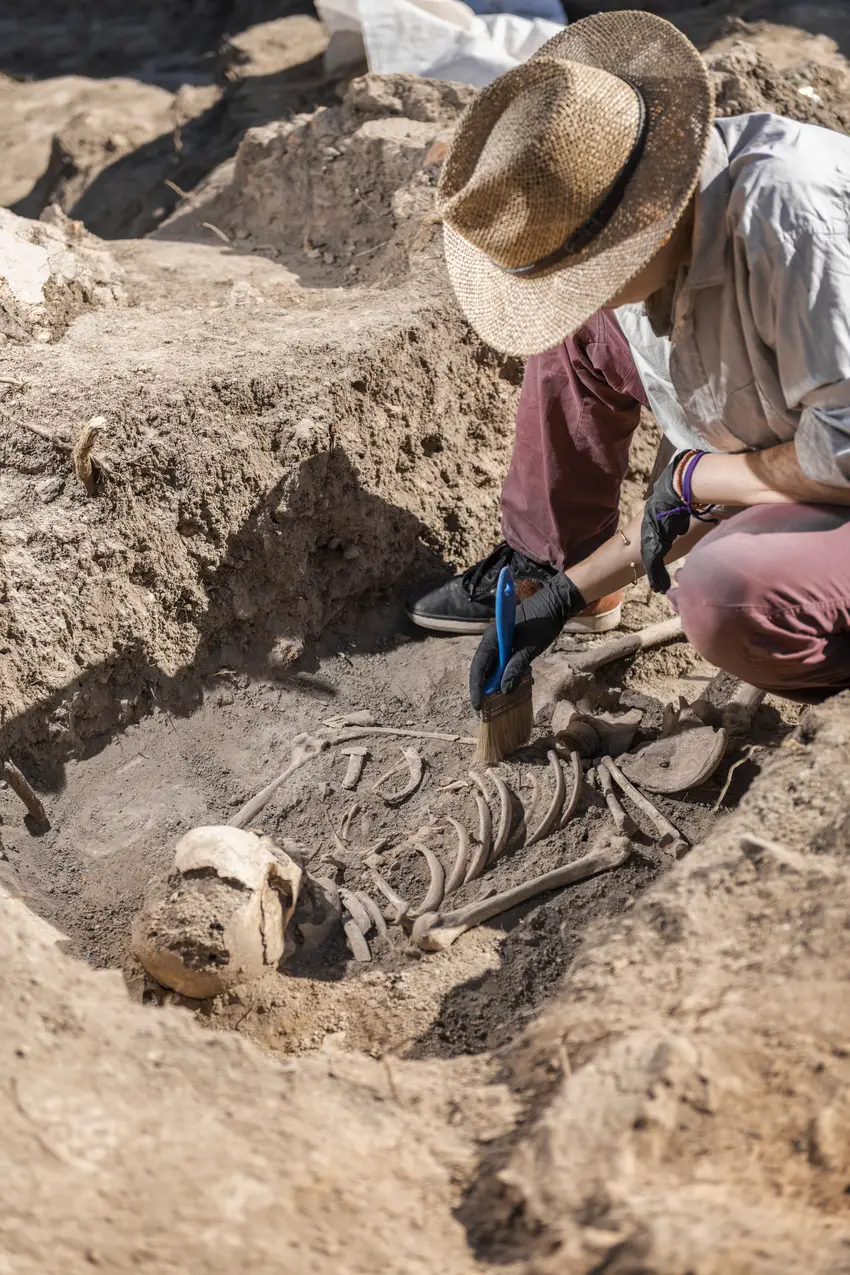
Anthropologists and archaeologists are like detectives who study human history and culture by examining everything from ancient artifacts to modern societies. They plan research projects, collect data through fieldwork and interviews, and use digital tools to analyze their findings and uncover patterns about how people lived, worked, and interacted throughout history. These professionals often work in teams, splitting time between outdoor excavation sites and labs or offices where they write reports and present their discoveries to museums, universities, or government organizations. A bachelor's degree in anthropology, archaeology, or related fields is typically required, with many pursuing advanced degrees for specialized research roles.
Did you know?
Most archaeological positions in the US require a Master's degree or PhD, with specialized coursework in American archaeology, anthropology, and research methods.
At a glance
Typical average pay
$66,000 Avg/yr
Growth
Fast growing
Top skill
Speaking
Things to consider
Competitive Job Market and Funding
The field faces intense competition for limited academic positions and relies heavily on grant funding from federal agencies like the NSF and NEH.
Federal Compliance and Legal Knowledge
Archaeologists must understand US laws like NAGPRA and Section 106 requirements for cultural resource management and working with Native American communities.
Key responsibilities
Consult site reports, existing artifacts, and topographic maps to identify archeological sites.
Lead field training sites and train field staff, students, and volunteers in excavation methods.
Compare findings from one site with archeological data from other sites to find similarities or differences.
Collaborate with economic development planners to decide on the implementation of proposed development policies, plans, and programs based on culturally institutionalized barriers and facilitating circumstances.
Create data records for use in describing and analyzing social patterns and processes, using photography, videography, and audio recordings.