Archivists
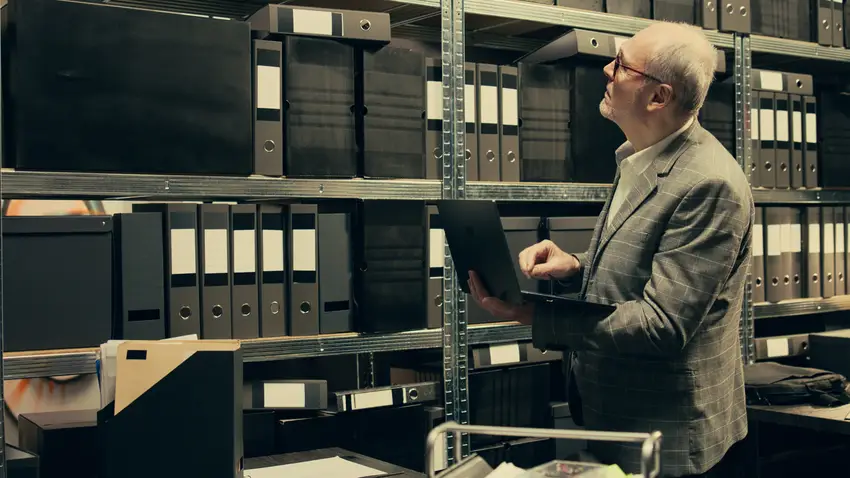
Archivists are like detectives and guardians of history who collect, organize, and preserve important documents, photos, and records for future generations. They use advanced scanning technology and digital databases to create electronic copies of historical materials, ensuring nothing gets lost to time. These professionals work closely with researchers, students, and the public to make historical information accessible while deciding what materials are valuable enough to keep forever. Most archivists need a master's degree and strong research skills to authenticate documents and manage both physical and digital collections.
Did you know?
Most archivist positions in the United States require a master's degree in library science, archival studies, or a related field from an ALA-accredited program.
At a glance
Typical average pay
$59,100 Avg/yr
Growth
Fast growing
Top skill
Reading Comprehension
Things to consider
Highly Competitive Job Market
The archival profession has limited job openings with many qualified candidates competing for positions, particularly in prestigious institutions and government agencies.
Digital Technology Proficiency
Modern archivists must master digital preservation techniques, database management systems, and emerging technologies to handle both traditional and electronic records effectively.
Key responsibilities
Select and edit documents for publication and display, applying knowledge of subject, literary expression, and presentation techniques.
Specialize in an area of history or technology, researching topics or items relevant to collections to determine what should be retained or acquired.
Locate new materials and direct their acquisition and display.
Create and maintain accessible, retrievable computer archives and databases, incorporating current advances in electronic information storage technology.
Coordinate educational and public outreach programs, such as tours, workshops, lectures, and classes.