Biologist Researchers
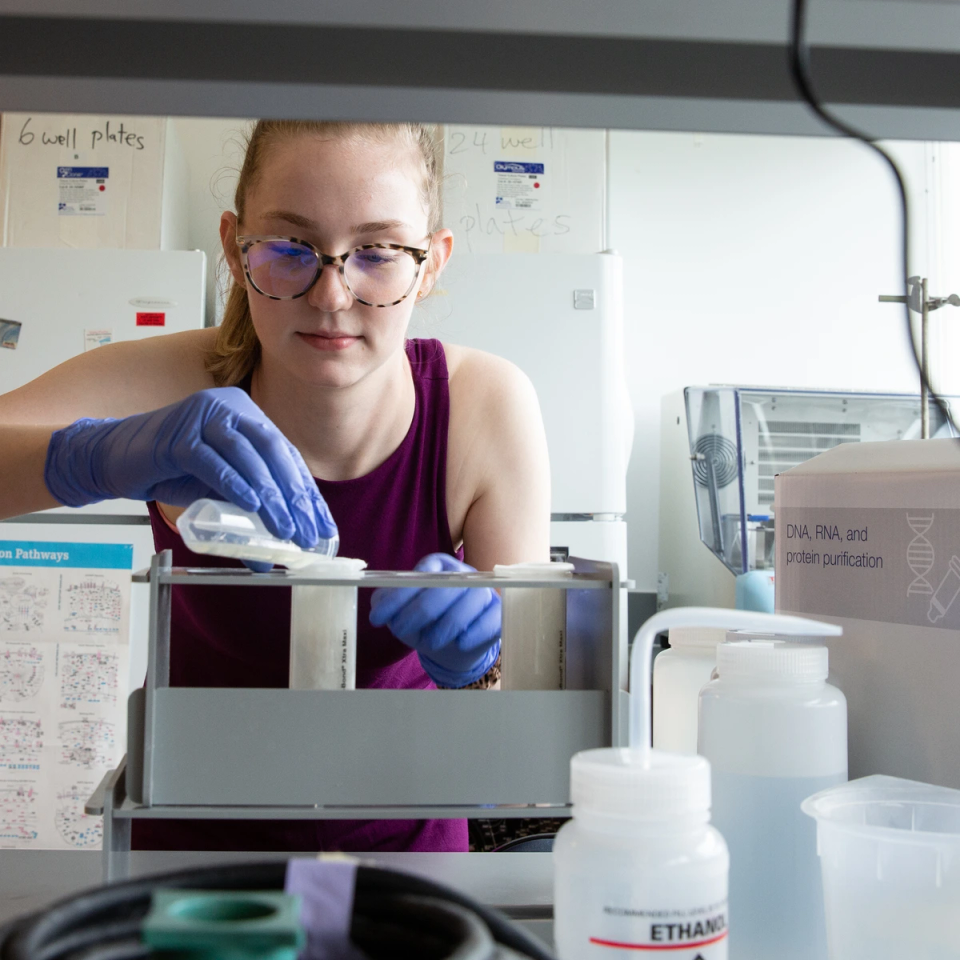
Biologist Researchers investigate how plants, animals, and other living things grow, interact, and survive, from tiny cells all the way up to entire ecosystems. They design and lead research projects, collect samples from places like forests, farms, rivers, and oceans, then use tools such as microscopes, DNA sequencers, and data-analysis software (like R or Python) to study what they find. Many biologists also write scientific reports and grant proposals, advise governments or companies on issues like pollution or wildlife protection, and supervise research teams or college students in labs and field studies.
Did you know?
Most biology careers in the US require at least a master's degree, with research positions typically requiring a PhD, making extensive education a significant investment.
At a glance
Typical average pay
$85,100 Avg/yr
Growth
Stable
Top skill
Science
Things to consider
Competitive Job Market
The American biology field is highly competitive with many qualified candidates competing for limited positions, particularly in academia and research institutions.
Grant Funding Dependency
Many research positions rely heavily on federal and private grant funding, which can create job security concerns due to fluctuating budgets and competitive funding cycles.
Key responsibilities
Collect and analyze biological data about relationships among and between organisms and their environment.
Communicate test results to state and federal representatives and general public.
Measure salinity, acidity, light, oxygen content, and other physical conditions of water to determine their relationship to aquatic life.
Plan and administer biological research programs for government, research firms, medical industries, or manufacturing firms.
Write grant proposals to obtain funding for biological research.