Bridge and Lock Tenders
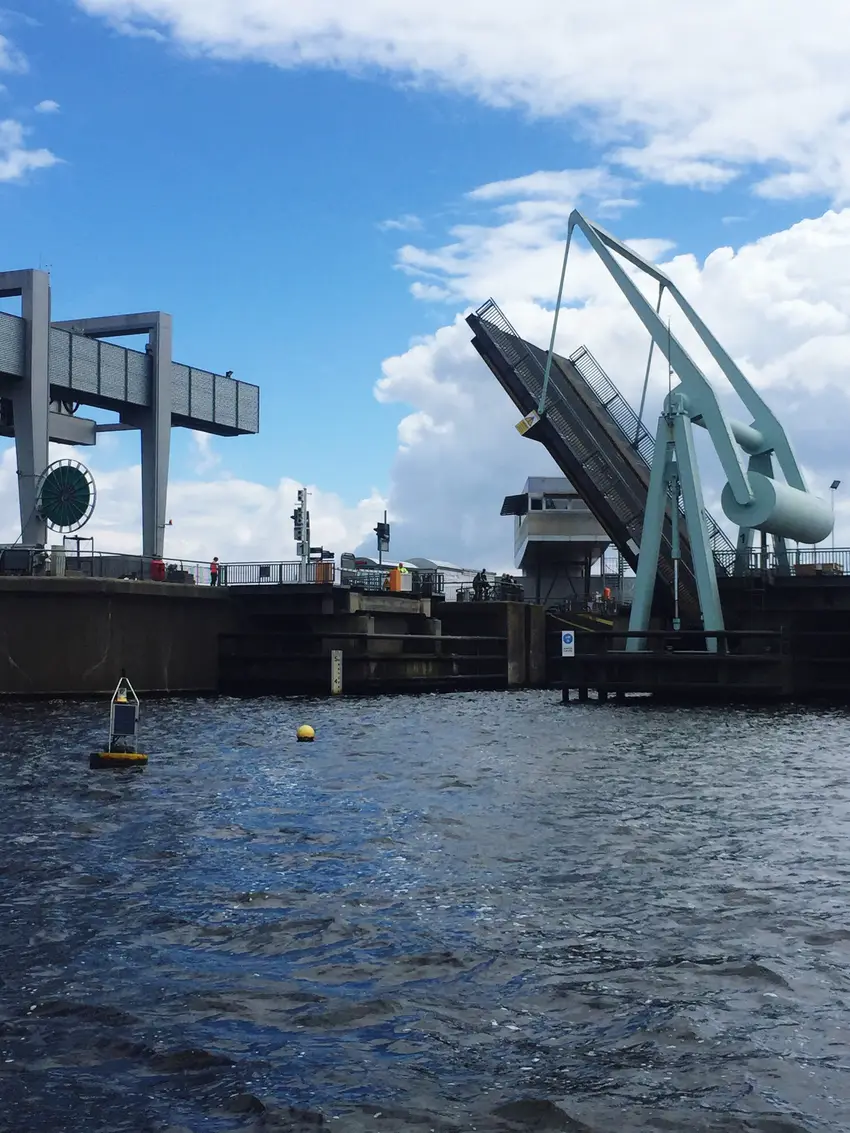
Bridge and Lock Tenders help boats and ships safely navigate waterways by operating drawbridges, canal locks, and other water passage systems. They use communication equipment, traffic signals, and control systems to coordinate vessel movements and ensure safe passage through bridges and locks. This job requires strong attention to detail, good communication skills, and the ability to work with both traditional mechanical systems and modern digital monitoring equipment. Many tenders work in scenic waterfront locations and play a crucial role in keeping maritime commerce flowing smoothly.
Did you know?
Job opportunities are primarily concentrated in coastal states and regions with major waterways, limiting employment locations across the United States.
At a glance
Typical average pay
$59,600 Avg/yr
Growth
Stable
Top skill
Monitoring
Things to consider
Licensing Requirements
Most states require specific certifications or licenses for bridge operation, with training programs and ongoing education mandated by transportation authorities.
Shift Work Schedule
Bridge operators typically work rotating shifts including nights, weekends, and holidays to maintain 24/7 operations for maritime traffic.
Key responsibilities
Raise drawbridges and observe passage of water traffic or lower drawbridges and raise automobile gates.
Attach ropes or cable lines to bitts on lock decks or wharfs to secure vessels.
Maintain and guard stations in bridges to check waterways for boat traffic.
Clean and lubricate equipment, and make minor repairs and adjustments.
Record names, types, and destinations of vessels passing through bridge openings or locks, and numbers of trains or vehicles crossing bridges.