Clinical Neuropsychologist Specialists
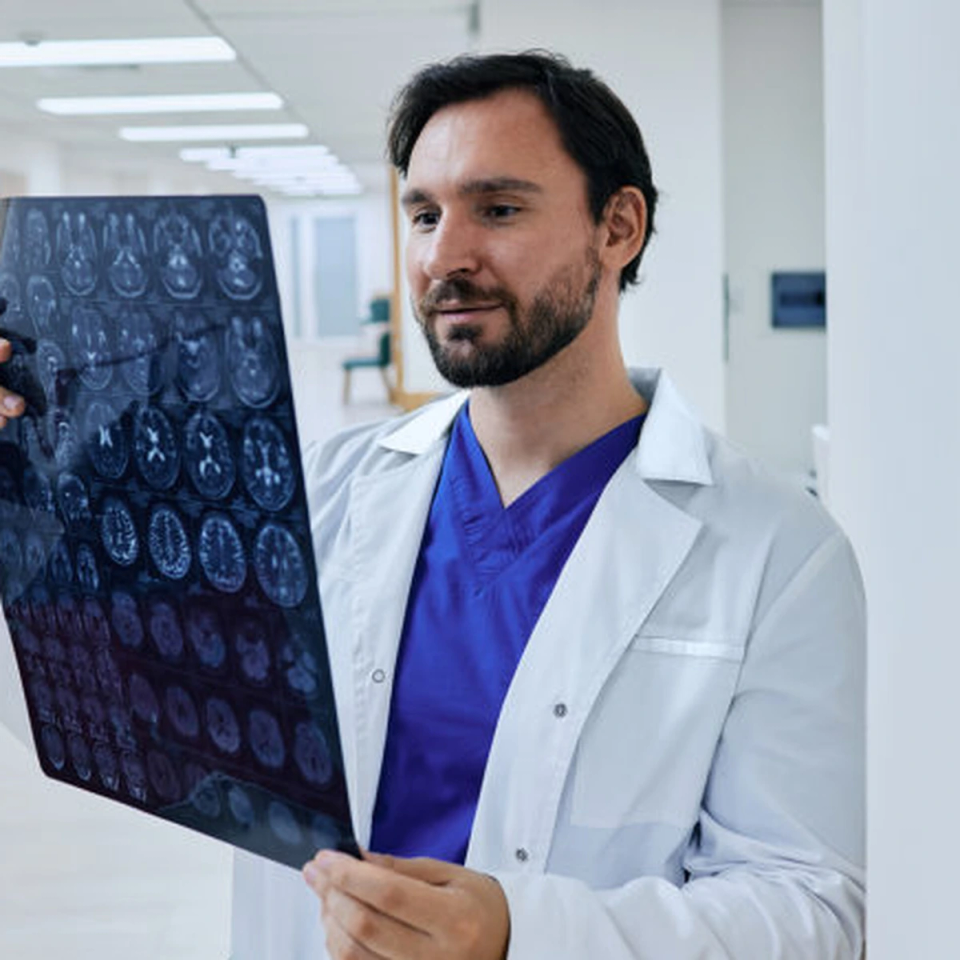
Clinical Neuropsychologists study how the brain affects thinking, emotions, and behavior, then use that knowledge to help diagnose and treat problems such as learning disabilities, memory loss, attention difficulties, and brain injuries. They give specialized tests that measure skills like memory, language, and problem-solving; review brain scans and medical records; and write detailed reports that guide teachers, doctors, and families in choosing the best support and treatment. Many also design rehabilitation programs, lead research studies on brain disorders, and train future psychologists and hospital staff in the latest neuropsychology methods.
Did you know?
Neuropsychologists in the US must complete a doctoral degree in psychology, specialized neuropsychology training, and obtain state licensure, typically requiring 8-10 years of post-undergraduate education.
At a glance
Typical average pay
$115,400 Avg/yr
Growth
Fast growing
Top skill
Reading Comprehension
Things to consider
Competitive Specialization Market
The field requires developing expertise in specific areas like pediatric, geriatric, or forensic neuropsychology to stand out in a competitive job market with limited positions.
Emotional Resilience Demands
Working with patients who have suffered brain injuries or degenerative neurological conditions requires strong emotional resilience and excellent communication skills to support patients and families.
Key responsibilities
Diagnose and treat conditions such as chemical dependency, alcohol dependency, Acquired Immune Deficiency Syndrome (AIDS) dementia, and environmental toxin exposure.
Read current literature, talk with colleagues, and participate in professional organizations or conferences to keep abreast of developments in neuropsychology.
Interview patients to obtain comprehensive medical histories.
Consult with other professionals about patients' neurological conditions.
Write or prepare detailed clinical neuropsychological reports, using data from psychological or neuropsychological tests, self-report measures, rating scales, direct observations, or interviews.