Commercial Pilots
Commercial pilots fly airplanes and helicopters, safely transporting passengers and cargo to destinations around the world. They use advanced cockpit technology and GPS systems to navigate planned routes, communicate with air traffic control, and monitor aircraft systems during flight. Before every flight, pilots perform detailed safety checks, calculate takeoff speeds based on weather and aircraft weight, and ensure proper fuel levels. This career requires strong problem-solving skills, excellent communication abilities, and typically involves flight training through aviation schools or military programs, with opportunities to work for airlines, cargo companies, or charter services.
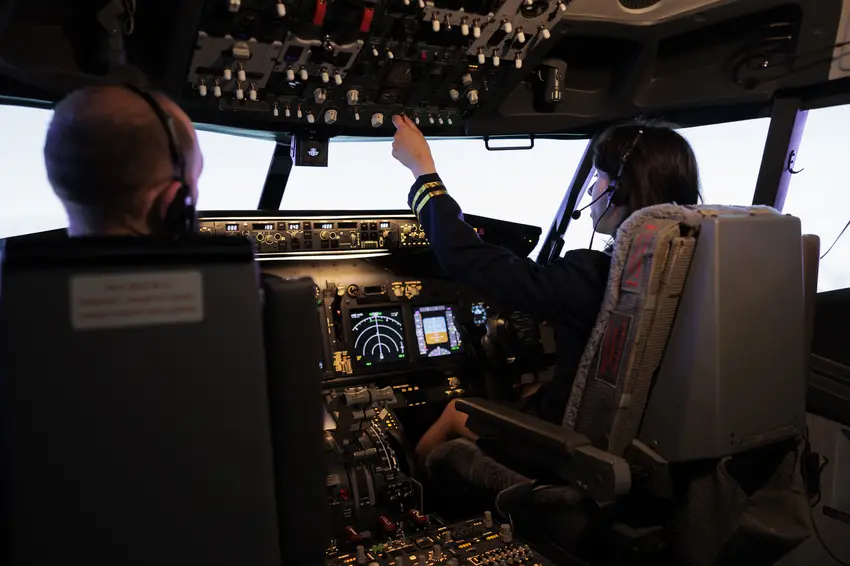
Did you know?
Commercial pilots must obtain and maintain strict Federal Aviation Administration licenses, medical certificates, and recurrent training certifications throughout their careers.
At a glance
Typical average pay
$116,700 Avg/yr
Growth
Fast growing
Top skill
Operation and Control
Things to consider
Substantial Training Investment
Flight training costs can exceed $200,000 and require 1,500+ flight hours for airline transport pilot certification, representing a significant financial and time commitment.
Seniority-Based Career Progression
American airlines operate on strict seniority systems that determine schedules, routes, and advancement opportunities, often requiring years to reach major carrier positions.
Key responsibilities
Fly with other pilots or pilot-license applicants to evaluate their proficiency.
Co-pilot aircraft or perform captain's duties, as required.
Contact control towers for takeoff clearances, arrival instructions, and other information, using radio equipment.
Perform minor aircraft maintenance and repair work, or arrange for major maintenance.
Use instrumentation to pilot aircraft when visibility is poor.