Cytogenetic Technologists in Medical Laboratories
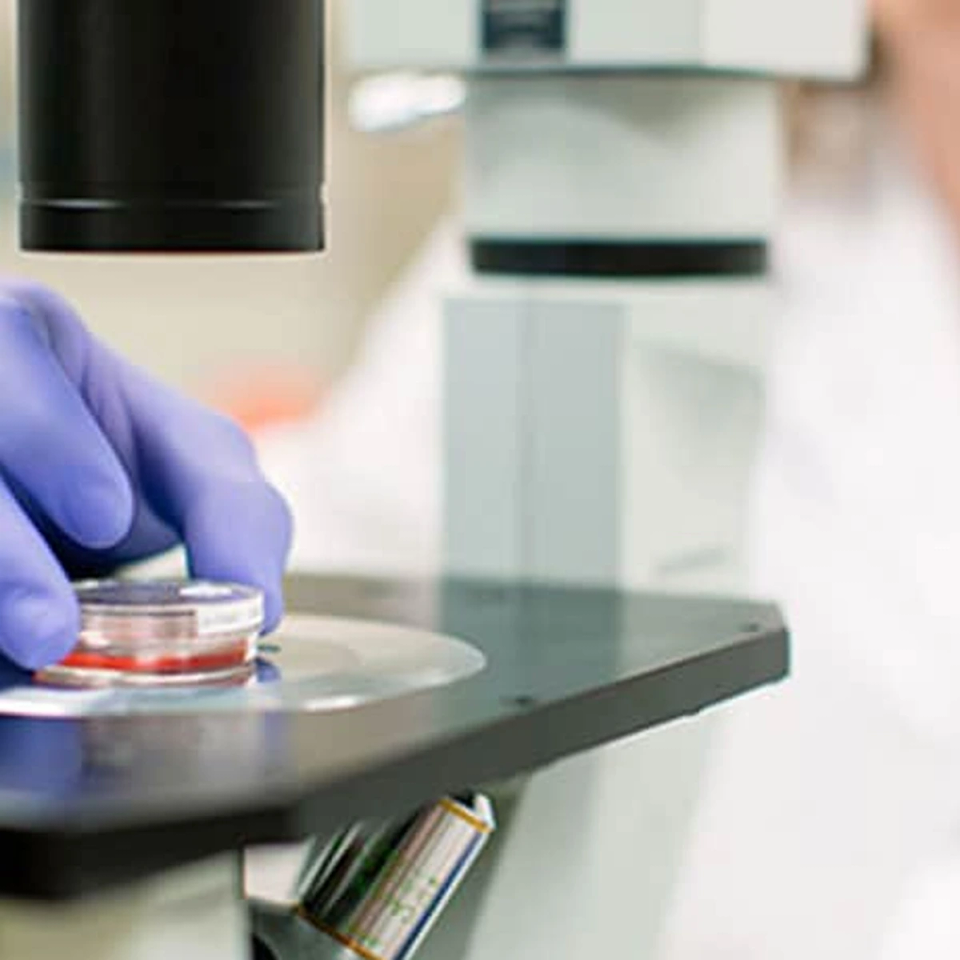
Cytogenetic technologists study human chromosomes in samples like blood, bone marrow, tumors, and amniotic fluid to help doctors diagnose genetic conditions, fertility problems, and certain cancers. They grow cells in special media, stain and prepare slides, and then use advanced microscopes and computer imaging systems to count chromosomes, spot missing or extra pieces, and create detailed karyotype charts. They also choose the right testing methods, such as FISH (fluorescent in situ hybridization) or aCGH (array comparative genomic hybridization), document results using international genetic naming systems, and often help train new lab staff and students in careful, high-quality lab practices.
Did you know?
Most employers in the US require certification from ASCP or similar organizations, along with specialized training in cytogenetics beyond a bachelor's degree in biology or related field.
At a glance
Growth
Stable
Top skill
Reading Comprehension
Things to consider
Growing Job Market Demand
The field shows steady growth due to increased genetic testing needs, personalized medicine expansion, and rising demand for prenatal and cancer diagnostics.
Laboratory-Based Work Environment
Work is primarily conducted in clinical laboratory settings with opportunities for specialization in areas like prenatal genetics, oncology cytogenetics, or molecular diagnostics.
Key responsibilities
Communicate to responsible parties unacceptable specimens and suggest remediation for future submissions.
Extract, measure, dilute as appropriate, label, and prepare DNA for array analysis.
Identify appropriate methods of specimen collection, preservation, or transport.
Stain slides to make chromosomes visible for microscopy.
Select appropriate methods of preparation and storage of media to maintain potential of hydrogen (pH), sterility, or ability to support growth.