Electricians
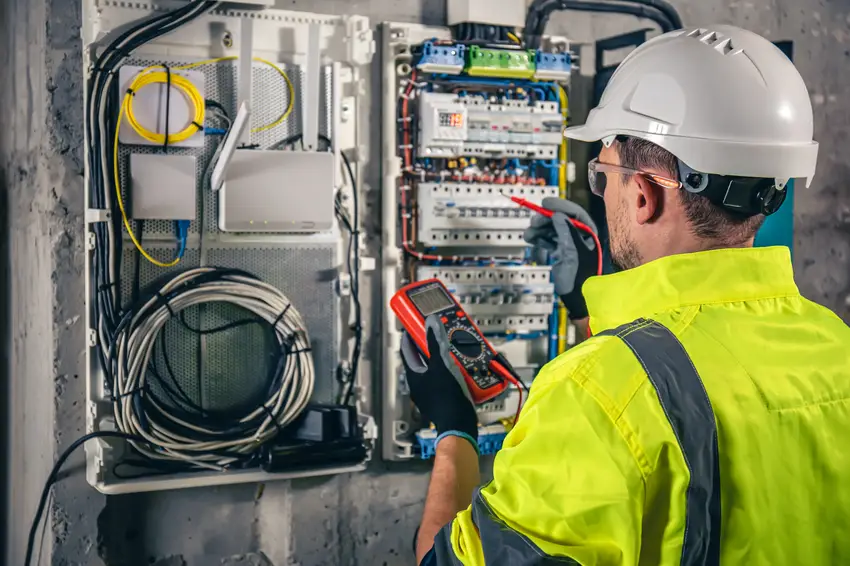
Electricians are skilled professionals who install, maintain, and repair electrical systems in homes, businesses, and factories. They read blueprints, work with wiring and lighting systems, and use advanced testing equipment to diagnose and fix electrical problems. This hands-on career involves using both traditional hand tools and modern digital devices, often working as part of construction teams or independently. Most electricians learn through apprenticeship programs that combine classroom learning with real-world experience.
Did you know?
Electricians must obtain proper licensing and certifications that vary by state, often requiring apprenticeship completion and passing state examinations.
At a glance
Typical average pay
$67,200 Avg/yr
Growth
Fast growing
Top skill
Troubleshooting
Things to consider
Physical Demands and Safety Risks
The occupation involves significant physical demands including working in confined spaces, at heights, and exposure to electrical hazards requiring strict adherence to OSHA safety protocols.
Career Advancement Opportunities
Electricians can advance to supervisory roles, start their own contracting businesses, or specialize in high-demand areas like renewable energy systems and smart home technology.
Key responsibilities
Install ground leads and connect power cables to equipment, such as motors.
Plan layout and installation of electrical wiring, equipment, or fixtures, based on job specifications and local codes.
Repair or replace wiring, equipment, or fixtures, using hand tools or power tools.
Work from ladders, scaffolds, or roofs to install, maintain, or repair electrical wiring, equipment, or fixtures.
Test electrical systems or continuity of circuits in electrical wiring, equipment, or fixtures, using testing devices, such as ohmmeters, voltmeters, or oscilloscopes, to ensure compatibility and safety of system.