Environmental Restoration Planners
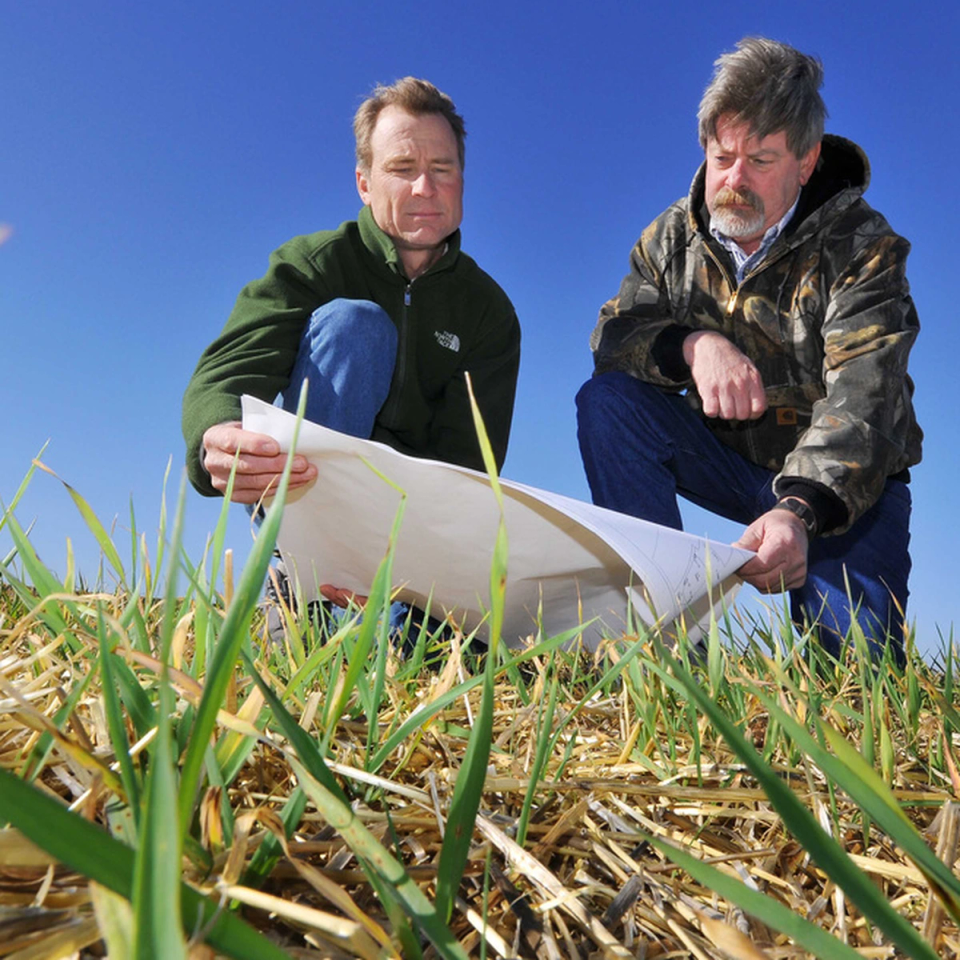
Environmental Restoration Planners design and manage projects that help damaged environments recover, such as cleaning up polluted rivers, restoring forests, or protecting wildlife habitats near power plants, pipelines, or wind farms. They use tools like GIS mapping software, biological databases, and computer models to turn complex scientific data into clear project plans, schedules, and budgets that meet strict environmental laws. They lead teams of scientists and field workers, write grant proposals to fund projects, and make decisions about which restoration strategies will have the biggest long-term impact while staying safe, legal, and cost-effective.
Did you know?
Most positions require a bachelor's degree in environmental science, engineering, or related field, with many employers preferring advanced degrees and professional certifications like Professional Engineer (PE) or Certified Environmental Professional (CEP).
At a glance
Typical average pay
$77,400 Avg/yr
Growth
Fast growing
Top skill
Critical Thinking
Things to consider
Federal and State Regulatory Knowledge
Success requires deep understanding of complex U.S. environmental regulations including EPA guidelines, CERCLA (Superfund), Clean Water Act, and state-specific environmental laws that govern restoration projects.
Geographic Job Market Concentration
Employment opportunities are typically concentrated in regions with significant environmental challenges such as former industrial areas, mining regions, and coastal zones affected by climate change or pollution.
Key responsibilities
Develop environmental restoration project schedules and budgets.
Communicate findings of environmental studies or proposals for environmental remediation to other restoration professionals.
Inspect active remediation sites to ensure compliance with environmental or safety policies, standards, or regulations.
Apply for permits required for the implementation of environmental remediation projects.
Develop natural resource management plans, using knowledge of environmental planning or state and federal environmental regulatory requirements.