Exercise Physiologists
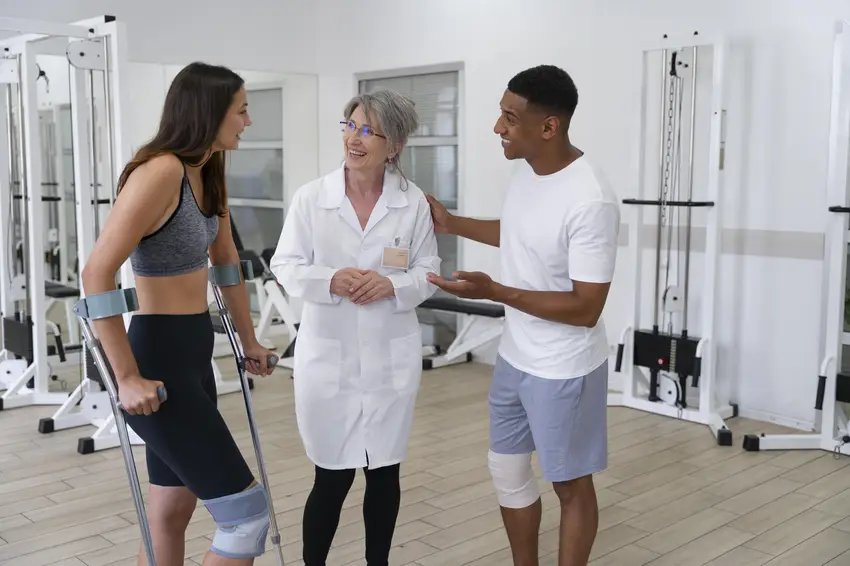
Exercise physiologists help people recover from chronic diseases and improve their health through personalized fitness programs. They use advanced medical equipment to perform stress tests and monitor vital signs like heart rate, blood pressure, and oxygen levels during exercise. These healthcare professionals analyze patients' medical histories to create safe, effective workout plans that boost cardiovascular health and flexibility. Many work in hospitals, rehabilitation centers, or sports medicine clinics, collaborating with doctors and other healthcare teams to get patients back to their best physical condition.
Did you know?
Most positions require a bachelor's degree in exercise science or related field, with many employers preferring clinical exercise physiology certification from organizations like ACSM.
At a glance
Typical average pay
$57,400 Avg/yr
Growth
Fast growing
Top skill
Reading Comprehension
Things to consider
Employment Settings and Job Market
Exercise physiologists work primarily in hospitals, cardiac rehabilitation centers, fitness facilities, and research institutions with growing demand in healthcare settings due to increased focus on preventive care.
Professional Development and Licensing
Continuous education and maintaining certifications are essential for career advancement, and some states require licensure to practice in clinical settings.
Key responsibilities
Develop exercise programs to improve participant strength, flexibility, endurance, or circulatory functioning, in accordance with exercise science standards, regulatory requirements, and credentialing requirements.
Recommend methods to increase lifestyle physical activity.
Educate athletes or coaches on techniques to improve athletic performance, such as heart rate monitoring, recovery techniques, hydration strategies, or training limits.
Assess physical performance requirements to aid in the development of individualized recovery or rehabilitation exercise programs.
Teach group exercise for low-, medium-, or high-risk clients to improve participant strength, flexibility, endurance, or circulatory functioning.