Farm Equipment Mechanics
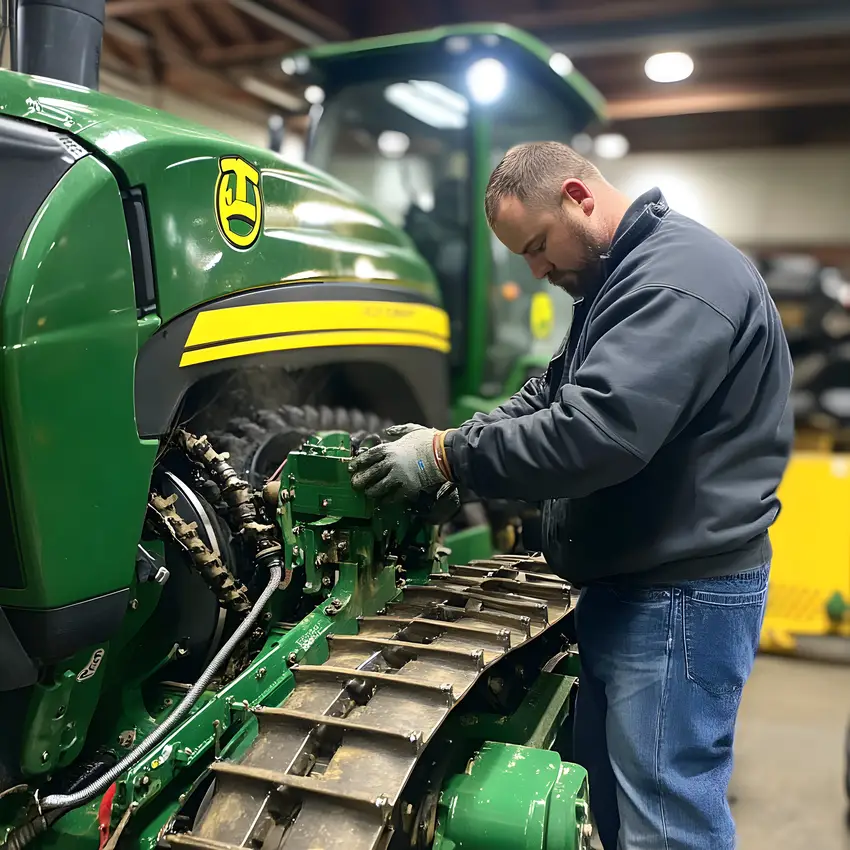
Farm equipment mechanics keep tractors, harvesters, and irrigation systems running smoothly by diagnosing problems, repairing engines, and replacing parts. You'll use modern diagnostic tools, test meters, and hand tools to troubleshoot everything from electrical systems to hydraulic components. This hands-on career combines mechanical skills with problem-solving as you work directly with farmers to keep their equipment operational during critical planting and harvest seasons. Many mechanics work for equipment dealers or start their own repair shops, and you can enter the field through vocational training or apprenticeships.
Did you know?
Most positions require completion of a technical school program or apprenticeship in agricultural equipment technology, with many employers preferring certifications from equipment manufacturers like John Deere or Case IH.
At a glance
Typical average pay
$53,500 Avg/yr
Growth
Fast growing
Top skill
Repairing
Things to consider
Geographic Location and Travel Demands
Work is primarily located in rural agricultural areas, often requiring extensive travel to farms and field locations, which may limit housing options and require reliable transportation.
Seasonal Work Intensity
The job involves peak demand periods during planting and harvest seasons, requiring long hours and emergency repairs during critical farming times.
Key responsibilities
Test and replace electrical components and wiring, using test meters, soldering equipment, and hand tools.
Install and repair agricultural irrigation, plumbing, and sprinkler systems.
Calculate bills according to record of repairs made, labor time, and parts used.
Dismantle defective machines for repair, using hand tools.
Repair or replace defective parts, using hand tools, milling and woodworking machines, lathes, welding equipment, grinders, or saws.