Geological Technicians
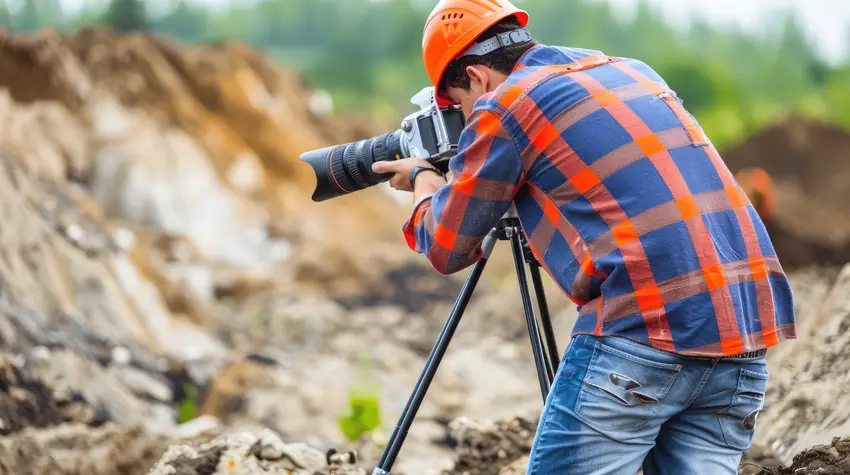
Geological technicians work alongside scientists and engineers to explore and study natural resources like oil, gas, minerals, and water. They spend time both in the field collecting rock and soil samples and in laboratories testing these samples using specialized equipment to determine what they contain. This hands-on career involves using modern technology like GPS systems, drilling equipment, and computer databases to map underground resources. Many geological technicians start with an associate degree in geology or earth sciences and often work for environmental consulting firms, mining companies, or government agencies.
Did you know?
Most positions require an associate degree in geology, earth science, or a related field, with some employers preferring additional certifications or field experience.
At a glance
Typical average pay
$53,500 Avg/yr
Growth
Stable
Top skill
Reading Comprehension
Things to consider
Industry Volatility
Employment opportunities are closely tied to fluctuations in the oil, gas, and mining industries, making job security dependent on commodity market conditions.
Geographic Mobility
The work often requires travel to remote field sites and willingness to relocate based on project locations, particularly in resource-rich states like Texas, Alaska, and North Dakota.
Key responsibilities
Inspect engines for wear or defective parts, using equipment or measuring devices.
Evaluate and interpret seismic data with the aid of computers.
Evaluate and interpret core samples and cuttings, and other geological data used in prospecting for oil or gas.
Measure geological characteristics used in prospecting for oil or gas, using measuring instruments.
Participate in the evaluation of possible mining locations.