Geoscientists
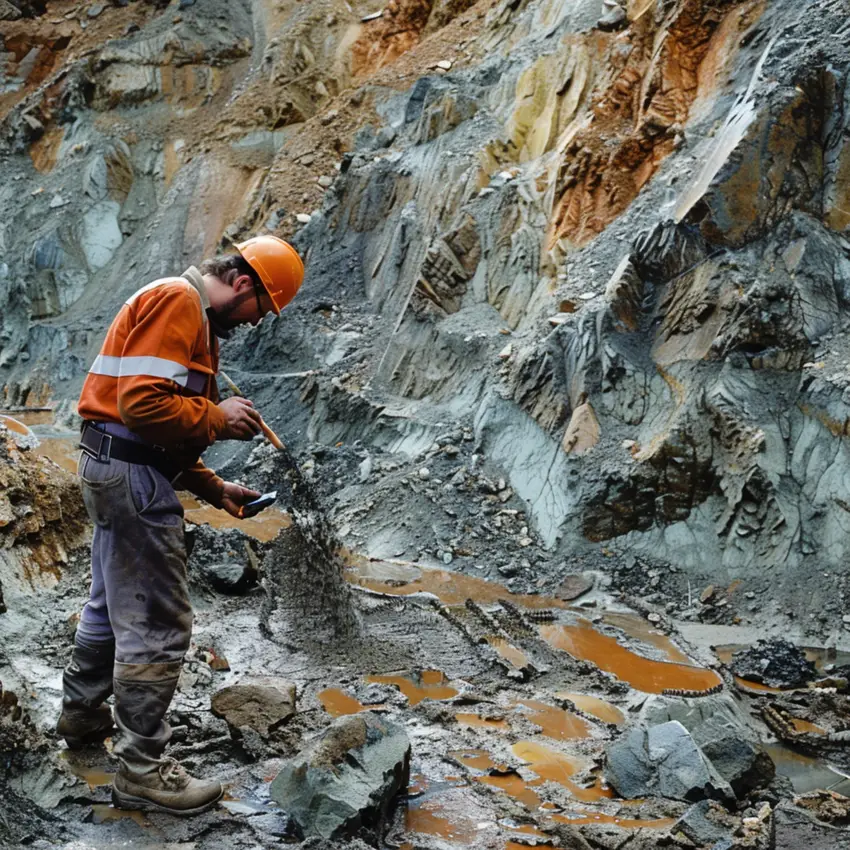
Geoscientists are like Earth detectives who study our planet's composition, structure, and processes to understand its history and predict future changes. They spend time outdoors collecting rock samples and conducting field surveys, then return to labs to analyze their findings using advanced equipment and computer modeling. These scientists create detailed maps and charts, write reports about their discoveries, and present their research to clients, government agencies, and fellow scientists. A career in geoscience typically requires a bachelor's degree in geology, earth science, or related fields, with many opportunities for fieldwork, lab research, and collaborative projects.
Did you know?
Most positions require at least a master's degree in geology, earth science, or related field, with many research and senior roles requiring a Ph.D.
At a glance
Typical average pay
$89,100 Avg/yr
Growth
Stable
Top skill
Reading Comprehension
Things to consider
Professional Licensing
Many states require Professional Geologist (PG) licensure for certain types of work, particularly in environmental consulting and regulatory compliance.
Industry Cyclicality
Employment opportunities are heavily influenced by commodity prices and economic cycles, particularly in oil, gas, and mining sectors which employ many geoscientists.
Key responsibilities
Provide advice on the safe siting of new nuclear reactor projects or methods of nuclear waste management.
Analyze and interpret geological data, using computer software.
Review environmental, historical, or technical reports and publications for accuracy.
Advise construction firms or government agencies on dam or road construction, foundation design, land use, or resource management.
Locate potential sources of geothermal energy.