Hand Sewers
Hand sewers create and repair various manufactured items using traditional needle and thread techniques. You'll master different sewing methods like embroidery, basting, and fagoting while working with patterns, measuring materials, and selecting the right threads for each project. This skilled craft combines precision with creativity and is used in specialized industries like custom clothing, upholstery, and luxury goods manufacturing. Many hand sewers today work in small studios or as freelancers, collaborating with designers and manufacturers who value the quality that only handwork can provide.
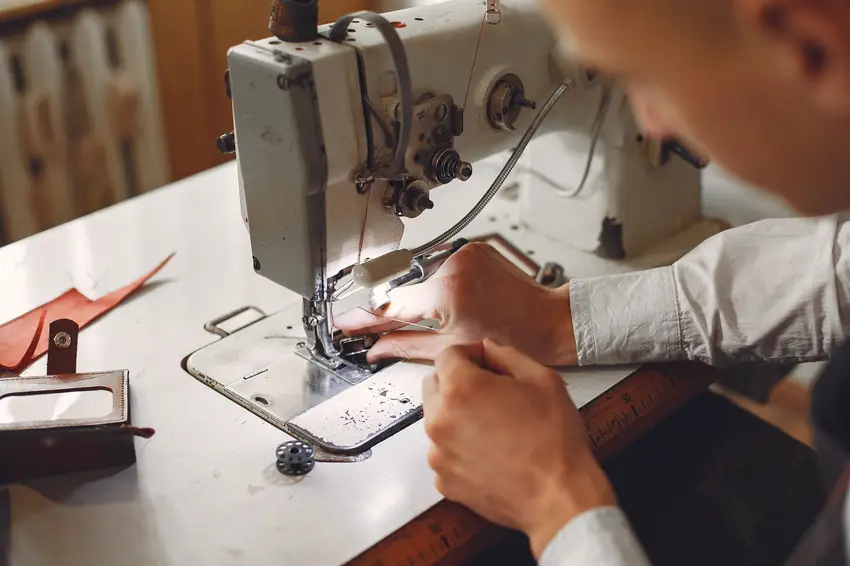
Did you know?
Hand sewing requires prolonged periods of detailed manual work that can lead to repetitive strain injuries and eye fatigue.
At a glance
Typical average pay
$32,900 Avg/yr
Growth
Stable
Things to consider
Competition from Automation and Overseas Manufacturing
The American textile industry faces significant competition from automated production and lower-cost international manufacturing.
Niche Market Opportunities in Custom and Artisanal Work
Growing consumer interest in handmade and custom products creates opportunities in high-end fashion, alterations, and specialty items.
Key responsibilities
Fit garments on clients, altering as needed.
Trim excess threads or edges of parts, using scissors or knives.
Tie, knit, weave or knot ribbon, yarn, or decorative materials.
Fold, twist, stretch, or drape material, and secure articles in preparation for sewing.
Select thread, twine, cord, or yarn to be used, and thread needles.