Human Factors Engineers and Ergonomists
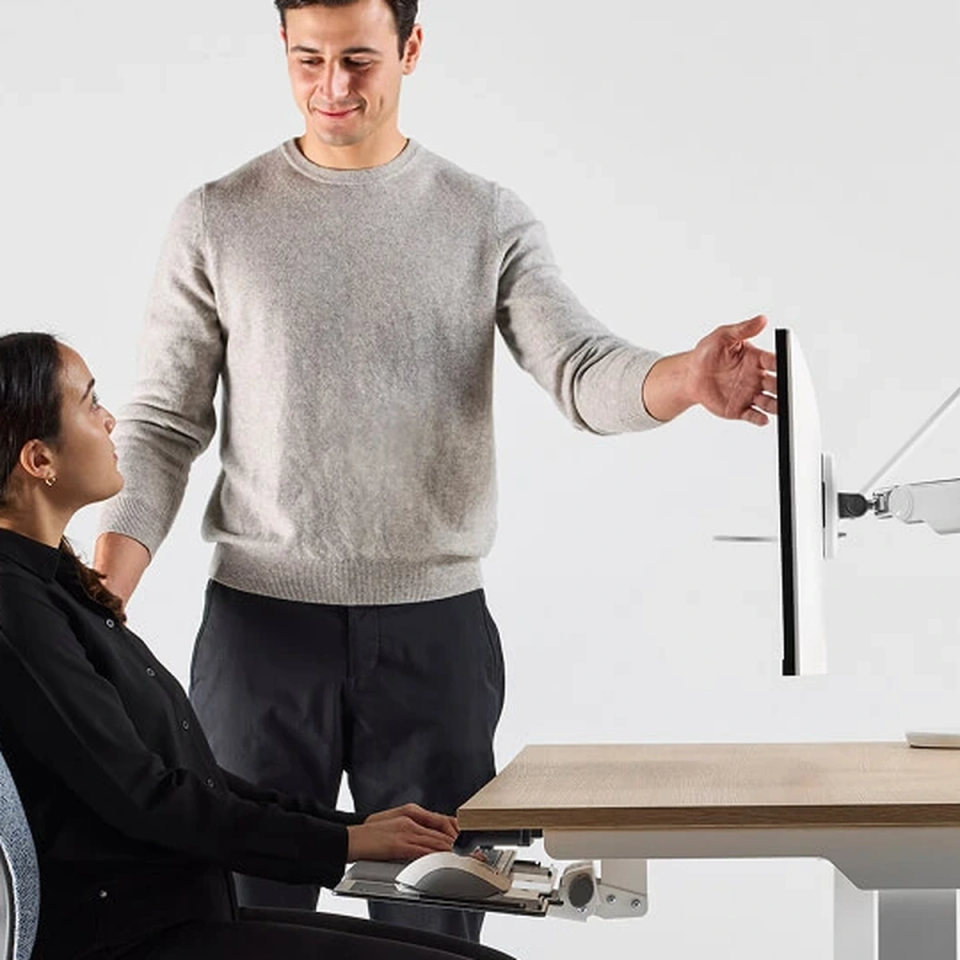
Human Factors Engineers and Ergonomists design products, workspaces, and even entire cockpits or control rooms so that people can use them safely, comfortably, and efficiently. They collect data by observing people at work, interviewing users, and using tools like motion-capture cameras, force sensors, and light or noise meters, then run statistical analyses and computer simulations to spot problems and improve designs. In many projects they lead discussions between designers, software engineers, and managers to make key decisions about user interfaces, training, and safety rules, making sure real human needs guide how complex systems are built and operated.
Did you know?
Most positions require a bachelor's degree in psychology, engineering, or related field, with many employers preferring advanced degrees and certification from the Board of Certification in Professional Ergonomics.
At a glance
Typical average pay
$104,300 Avg/yr
Growth
Fast growing
Top skill
Writing
Things to consider
Growing Demand in Technology and Healthcare
The American job market shows increasing demand for human factors expertise in tech companies, healthcare systems, and automotive industries due to emphasis on user experience and patient safety.
Regulatory Compliance Focus
American employers highly value professionals who understand OSHA regulations, FDA guidelines, and other federal safety standards that govern workplace and product design.
Key responsibilities
Design cognitive aids, such as procedural storyboards or decision support systems.
Collect data through direct observation of work activities or witnessing the conduct of tests.
Operate testing equipment, such as heat stress meters, octave band analyzers, motion analysis equipment, inclinometers, light meters, thermoanemometers, sling psychrometers, or colorimetric detection tubes.
Perform statistical analyses, such as social network pattern analysis, network modeling, discrete event simulation, agent-based modeling, statistical natural language processing, computational sociology, mathematical optimization, or systems dynamics.
Advocate for end users in collaboration with other professionals, including engineers, designers, managers, or customers.