Hydrologic Technicians
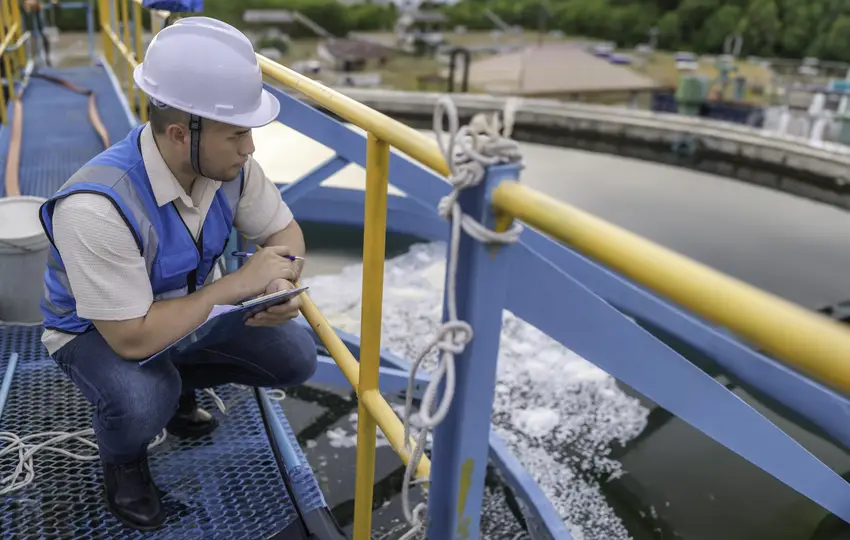
Hydrologic technicians work both in laboratories and outdoors to study water resources and natural materials like soil and gas. They install scientific equipment, collect samples from rivers and groundwater sources, and use advanced testing methods to analyze what they find. These professionals create detailed reports and digital maps using modern software to help scientists understand where valuable natural resources might be located. This career combines hands-on fieldwork with high-tech laboratory analysis, making it perfect for people who enjoy both outdoor exploration and scientific problem-solving.
Did you know?
Most positions require a bachelor's degree in civil/environmental engineering or related field, with many employers preferring Professional Engineer (PE) licensure for advanced roles.
At a glance
Typical average pay
$59,400 Avg/yr
Growth
Stable
Things to consider
Diverse Industry Opportunities
Career paths span consulting firms, government agencies (EPA, USGS), municipal utilities, and private water companies, each offering different project types and advancement opportunities.
Regional Specialization Demands
Job requirements vary significantly by geographic region, with western states emphasizing drought management while coastal areas focus on flood control and stormwater systems.
Key responsibilities
Develop computer models for hydrologic predictions.
Apply research findings to minimize the environmental impacts of pollution, waterborne diseases, erosion, or sedimentation.
Provide real time data to emergency management and weather service personnel during flood events.
Investigate complaints or conflicts related to the alteration of public waters by gathering information, recommending alternatives, or preparing legal documents.
Answer technical questions from hydrologists, policymakers, or other customers developing water conservation plans.