Machine Tool Operators
Machine tool operators set up and run specialized machines that cut, shape, and form metal and plastic parts used in everything from cars to smartphones. You'll read technical blueprints, adjust computer-controlled equipment, and use precision measuring tools to ensure parts meet exact specifications. This hands-on career combines technical skills with problem-solving, and many operators work in modern manufacturing facilities with advanced CNC machines and robotics. You can enter this field through technical school programs, apprenticeships, or on-the-job training.
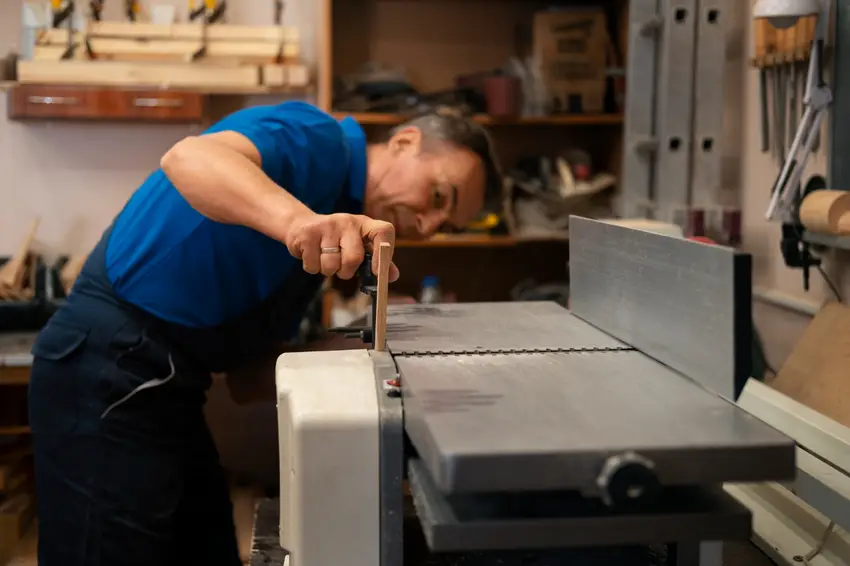
Did you know?
This occupation requires strict adherence to OSHA safety protocols and involves physically demanding work including standing for long periods, lifting heavy materials, and operating potentially dangerous machinery.
At a glance
Typical average pay
$46,100 Avg/yr
Growth
Stable
Top skill
Operations Monitoring
Things to consider
Technical Skills and Certification Requirements
Workers typically need vocational training or apprenticeships in machine operation, with many employers preferring candidates with industry certifications or associate degrees in manufacturing technology.
Manufacturing Industry Stability
Employment opportunities are closely tied to American manufacturing trends, with job security depending on domestic production levels and competition from automated systems.
Key responsibilities
Measure and mark reference points and cutting lines on workpieces, using traced templates, compasses, and rules.
Align layout marks with dies or blades.
Set machine stops or guides to specified lengths as indicated by scales, rules, or templates.
Perform minor machine maintenance, such as oiling or cleaning machines, dies, or workpieces, or adding coolant to machine reservoirs.
Extract or lift jammed pieces from machines, using fingers, wire hooks, or lift bars.