Manufacturing Potters
Manufacturing potters shape clay into products like mugs, tiles, vases, and bowls using tools such as potter’s wheels, jigger machines, pug mills, and industrial drying chambers. They design forms and molds, mix and spray glazes, run gas or electric kilns at precise temperatures, and check each piece with calipers and gauges to make sure it meets exact size and quality standards. Many also plan displays for stores or galleries, manage supplies and orders, and build relationships with retailers and art networks to get their work sold or exhibited.
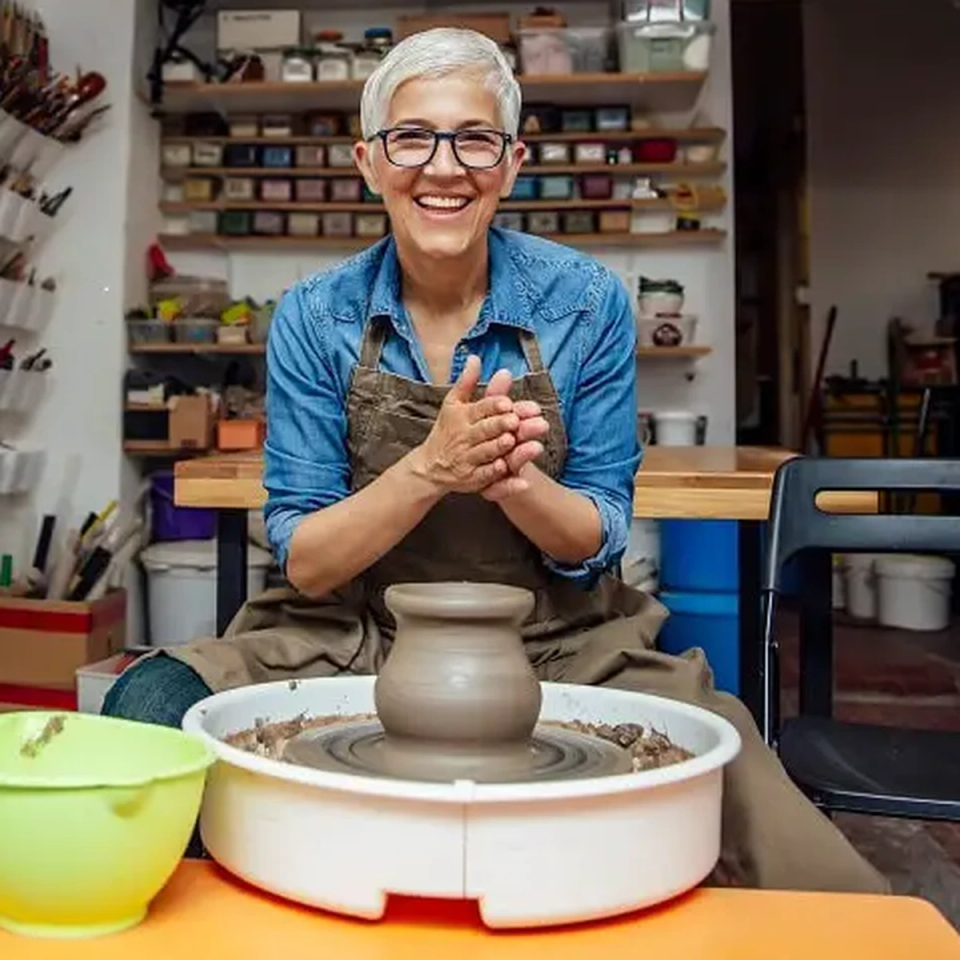
Did you know?
Manufacturing pottery involves repetitive hand and arm movements, prolonged standing, and exposure to clay dust and kiln heat, which can lead to musculoskeletal strain and respiratory concerns.
At a glance
Typical average pay
$45,500 Avg/yr
Growth
Fast growing
Top skill
Operations Monitoring
Things to consider
Industry Competition and Job Security
The American pottery manufacturing sector faces significant competition from imported ceramics and increasing automation, potentially limiting job growth and wage increases.
Skill Development and Training Requirements
Success requires mastering both traditional pottery techniques and modern manufacturing processes, often necessitating apprenticeships or specialized vocational training programs.
Key responsibilities
Pack and ship pottery to stores or galleries for retail sale.
Mix and apply glazes to pottery pieces, using tools, such as spray guns.
Perform test-fires of pottery to determine how to achieve specific colors and textures.
Position balls of clay in centers of potters' wheels, and start motors or pump treadles with feet to revolve wheels.
Pull wires through bases of articles and wheels to separate finished pieces.