Materials Scientists
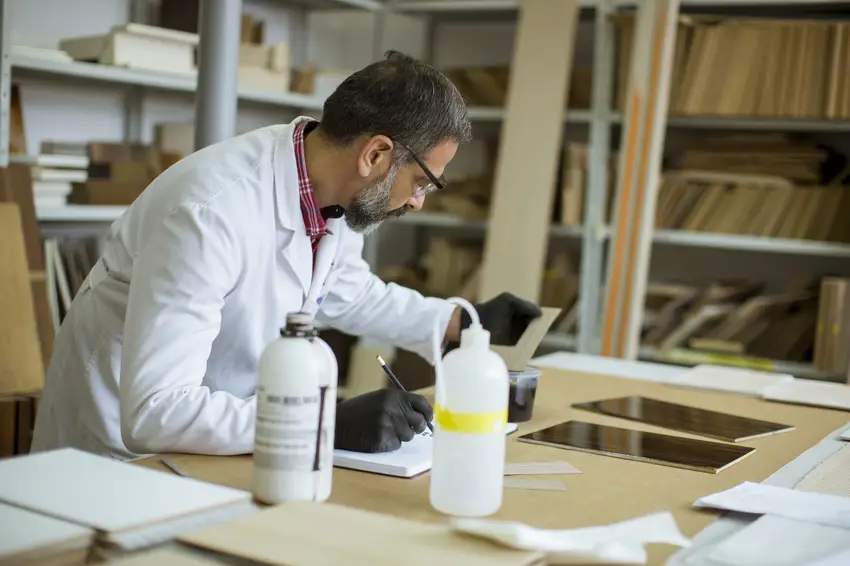
Materials scientists research and analyze the chemical properties of different substances to create new materials and improve existing products. They work in modern laboratories using advanced equipment to test materials, ensure they meet safety standards, and develop everything from stronger metals to better plastics. These scientists collaborate closely with engineers and other researchers, directing lab technicians while conducting experiments and writing detailed reports about their discoveries. A career in materials science typically requires a bachelor's degree in chemistry, materials science, or engineering, with many opportunities for hybrid work and creative problem-solving.
Did you know?
A bachelor's degree in materials engineering, materials science, or a related engineering field is typically required, with many positions preferring candidates from ABET-accredited programs.
At a glance
Typical average pay
$104,300 Avg/yr
Growth
Fast growing
Top skill
Reading Comprehension
Things to consider
Industry Diversity
Material engineers in the US work across diverse sectors including aerospace, automotive, electronics, biomedical devices, and renewable energy, offering varied career paths and specialization opportunities.
Professional Licensing
While not always required, obtaining a Professional Engineer (PE) license can enhance career prospects, especially for roles involving public safety or consulting work.
Key responsibilities
Plan laboratory experiments to confirm feasibility of processes and techniques used in the production of materials with special characteristics.
Visit suppliers of materials or users of products to gather specific information.
Test metals to determine conformance to specifications of mechanical strength, strength-weight ratio, ductility, magnetic and electrical properties, and resistance to abrasion, corrosion, heat, and cold.
Recommend materials for reliable performance in various environments.
Write research papers for publication in scientific journals.