Mechanical Insulation Workers
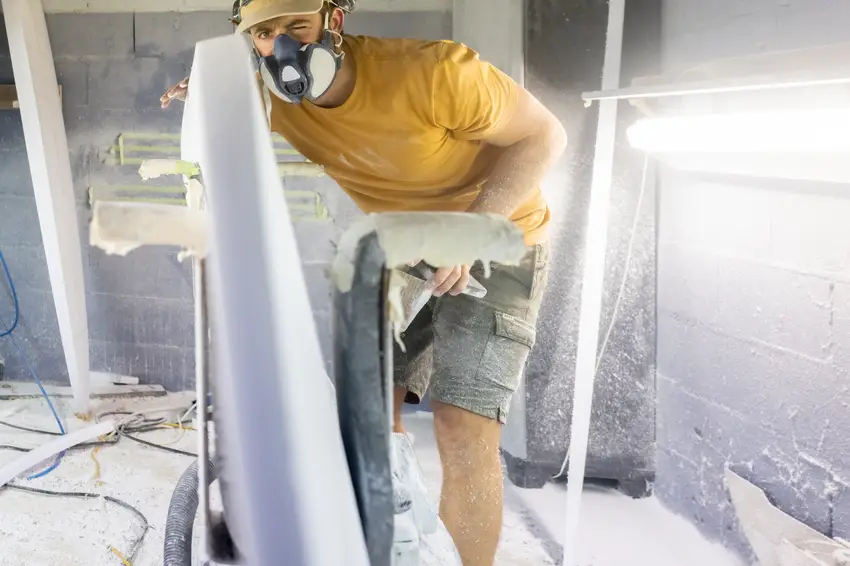
Mechanical insulation workers install and maintain insulation materials on pipes, equipment, and ductwork in buildings and industrial facilities to control temperature and reduce energy costs. They use measuring tools, saws, and cutting equipment to fit insulation around complex shapes and obstacles, then secure it with protective coverings like sheet metal or sealants. These workers read blueprints to understand project requirements and select the right insulation materials like fiberglass or foam based on each job's specific needs. The work combines hands-on craftsmanship with technical knowledge, often involving collaboration with other construction trades on job sites.
Did you know?
Workers face exposure to potentially hazardous materials like asbestos in older buildings and must work in confined spaces, requiring strict adherence to OSHA safety protocols.
At a glance
Typical average pay
$65,300 Avg/yr
Growth
Fast growing
Things to consider
Apprenticeship and Certification Requirements
Most positions require completion of a 3-4 year apprenticeship program through unions or trade schools, with ongoing certification needs for specialized materials and techniques.
Strong Job Market Growth
The occupation shows positive growth prospects driven by increasing focus on energy efficiency in commercial buildings and infrastructure modernization across the United States.
Key responsibilities
Fit insulation around obstructions, and shape insulating materials and protective coverings as required.
Measure and cut insulation for covering surfaces, using tape measures, handsaws, knives, and scissors.
Apply, remove, and repair insulation on industrial equipment, pipes, ductwork, or other mechanical systems such as heat exchangers, tanks, and vessels, to help control noise and maintain temperatures.
Read blueprints and specifications to determine job requirements.
Cover, seal, or finish insulated surfaces or access holes with plastic covers, canvas strips, sealants, tape, cement, or asphalt mastic.