Medical and Clinical Laboratory Technicians
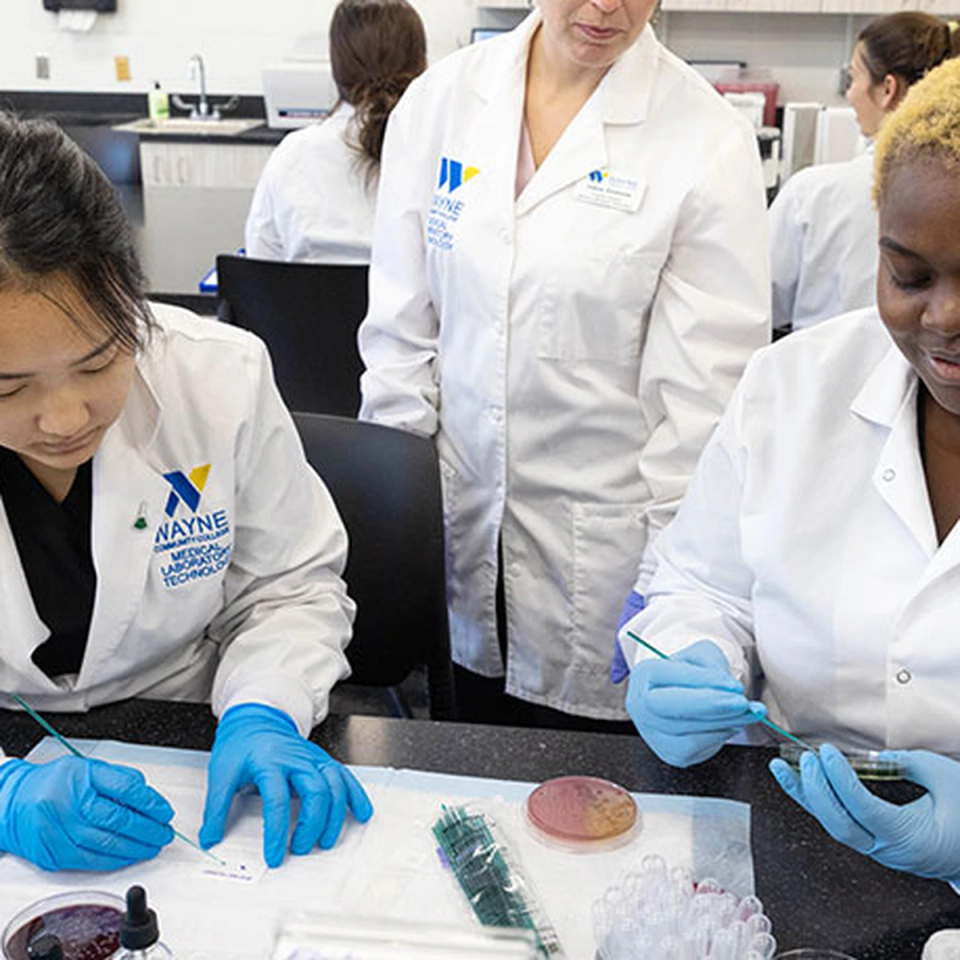
Medical and Clinical Laboratory Technicians run scientific tests on blood, urine, and other body samples to help doctors diagnose, treat, and prevent diseases. They use microscopes, centrifuges, and automated analyzers to look for abnormal cells, bacteria, or unusual chemical levels, then record and report their results using computers and data charts. Some technicians help train newer staff, keep sensitive lab equipment calibrated and sterile, and may assist with research projects that test new ways to detect or control illnesses.
Did you know?
Most positions require an associate degree in medical laboratory technology and certification from organizations like ASCP (American Society for Clinical Pathology) to meet US healthcare standards.
At a glance
Growth
Stable
Top skill
Active Listening
Things to consider
Strong Job Growth Outlook
The Bureau of Labor Statistics projects faster-than-average job growth due to America's aging population and increasing demand for medical diagnostic testing.
Safety and Regulatory Compliance
Technicians must adhere to strict OSHA safety protocols and CLIA regulations while handling potentially infectious materials in American healthcare facilities.
Key responsibilities
Conduct blood tests for transfusion purposes and perform blood counts.
Collect blood or tissue samples from patients, observing principles of asepsis to obtain blood sample.
Conduct chemical analyses of body fluids, such as blood or urine, using microscope or automatic analyzer to detect abnormalities or diseases and enter findings into computer.
Supervise or instruct other technicians or laboratory assistants.
Consult with a pathologist to determine a final diagnosis when abnormal cells are found.