Mining and Geological Engineers
Mining and geological engineers design and oversee the extraction of valuable minerals like coal, gold, and copper from the earth. They use advanced computer modeling software and 3D mapping technology to plan safe underground tunnels and open-pit mines, while also developing transportation systems to move materials to processing facilities. These engineers write detailed technical reports, monitor production efficiency, and solve complex environmental challenges to ensure mining operations are both profitable and sustainable. Many work in collaborative teams with geologists, environmental scientists, and safety specialists, often splitting time between office work and on-site field visits.
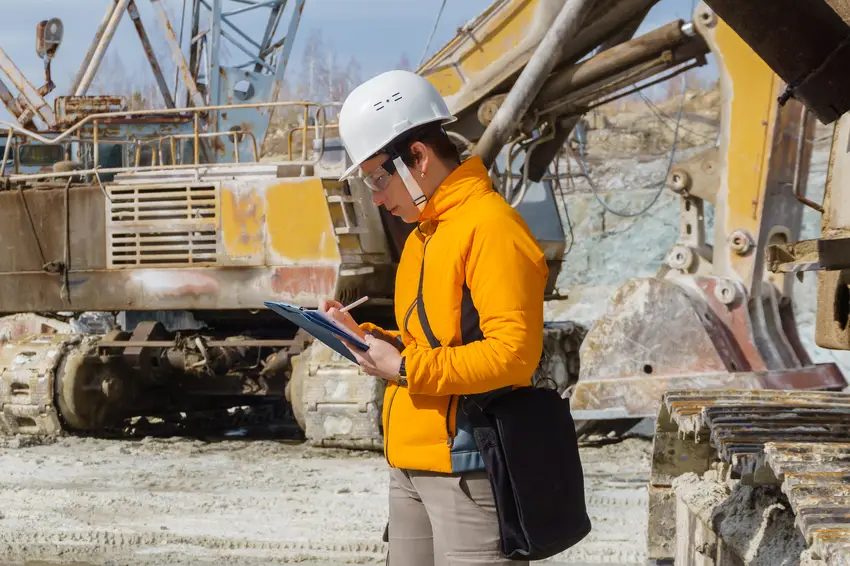
Did you know?
Mining engineers must navigate strict federal safety regulations enforced by the Mine Safety and Health Administration, requiring ongoing certification and compliance expertise.
At a glance
Typical average pay
$103,400 Avg/yr
Growth
Stable
Top skill
Complex Problem Solving
Things to consider
Geographic Job Concentration
Career opportunities are primarily concentrated in specific mining regions such as Wyoming, West Virginia, Texas, and Alaska, limiting geographic flexibility.
Industry Transition and Market Volatility
The profession faces challenges from shifting energy policies toward renewables and fluctuating commodity prices that directly impact job stability and project funding.
Key responsibilities
Select or develop mineral location, extraction, and production methods, based on factors such as safety, cost, and deposit characteristics.
Examine maps, deposits, drilling locations, or mines to determine the location, size, accessibility, contents, value, and potential profitability of mineral, oil, and gas deposits.
Prepare schedules, reports, and estimates of the costs involved in developing and operating mines.
Supervise, train, and evaluate technicians, technologists, survey personnel, engineers, scientists or other mine personnel.
Conduct or direct mining experiments to test or prove research findings.