Nuclear Engineers
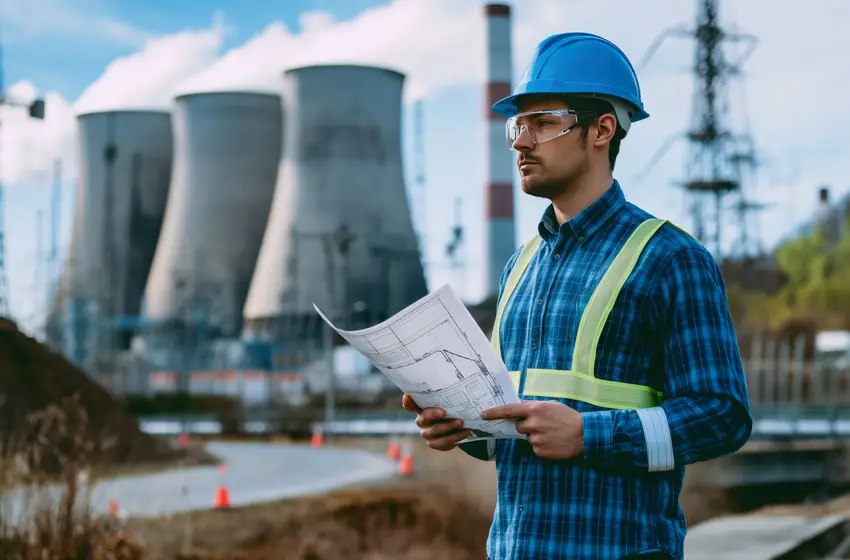
Nuclear engineers design and develop nuclear equipment like reactor cores, radiation shielding, and nuclear batteries that power everything from submarines to space missions. They use advanced computer modeling to test how nuclear materials can be safely managed and create detailed instructions for operating nuclear power plants. These engineers work closely with safety experts and regulatory agencies to ensure nuclear facilities meet strict safety standards. Many specialize in developing cleaner energy solutions or innovative reactor designs that could help address climate change.
Did you know?
Many nuclear engineering positions in the US require government security clearances due to national security implications and access to sensitive nuclear technology.
At a glance
Typical average pay
$134,000 Avg/yr
Growth
Stable
Top skill
Science
Things to consider
Regulatory Compliance Expertise
Nuclear engineers must maintain deep knowledge of NRC regulations and safety standards, as the American nuclear industry operates under strict federal oversight.
Industry Transition Challenges
The US nuclear sector faces plant closures and competition from renewables, requiring engineers to adapt skills for emerging technologies like small modular reactors.
Key responsibilities
Recommend preventive measures to be taken in the handling of nuclear technology, based on data obtained from operations monitoring or from evaluation of test results.
Discuss construction project proposals with interested parties, such as vendors, contractors, or nuclear facility review boards.
Initiate corrective actions or order plant shutdowns in emergency situations.
Design or develop nuclear equipment, such as reactor cores, radiation shielding, or associated instrumentation or control mechanisms.
Conduct environmental studies on topics such as nuclear power generation, nuclear waste disposal, or nuclear weapon deployment.