Orthotists and Prosthetists
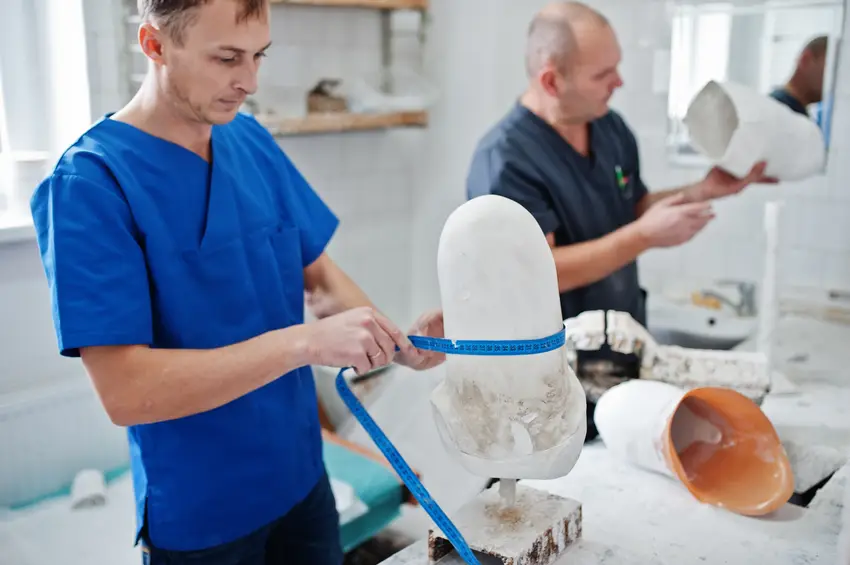
Orthotists and prosthetists create life-changing medical devices like artificial limbs, braces, and other supportive equipment for people who need them. You'll work directly with patients to design, build, and fit custom devices using advanced materials and cutting-edge technology like 3D printing and computer modeling. This career combines engineering creativity with healthcare compassion, as you'll measure patients, select the best materials, and teach people how to use their new devices. Many professionals in this field work in collaborative clinic settings where they partner with doctors, physical therapists, and patients to improve mobility and quality of life.
Did you know?
Becoming an orthotist or prosthetist requires completing an accredited master's degree program and obtaining state licensure, which can be a lengthy and competitive process.
At a glance
Typical average pay
$75,800 Avg/yr
Growth
Fast growing
Top skill
Reading Comprehension
Things to consider
Emotional Resilience
This profession involves working closely with patients who have experienced trauma, amputation, or congenital disabilities, requiring strong emotional intelligence and coping skills.
Growing Market Demand
The aging U.S. population and increasing rates of diabetes-related amputations are driving strong job growth prospects in this field through 2030.
Key responsibilities
Fit, test, and evaluate devices on patients, and make adjustments for proper fit, function, and comfort.
Instruct patients in the use and care of orthoses and prostheses.
Confer with physicians to formulate specifications and prescriptions for orthopedic or prosthetic devices.
Publish research findings or present them at conferences and seminars.
Examine, interview, and measure patients to determine their appliance needs and to identify factors that could affect appliance fit.