Photonics Technicians in Optics and Fiber Systems
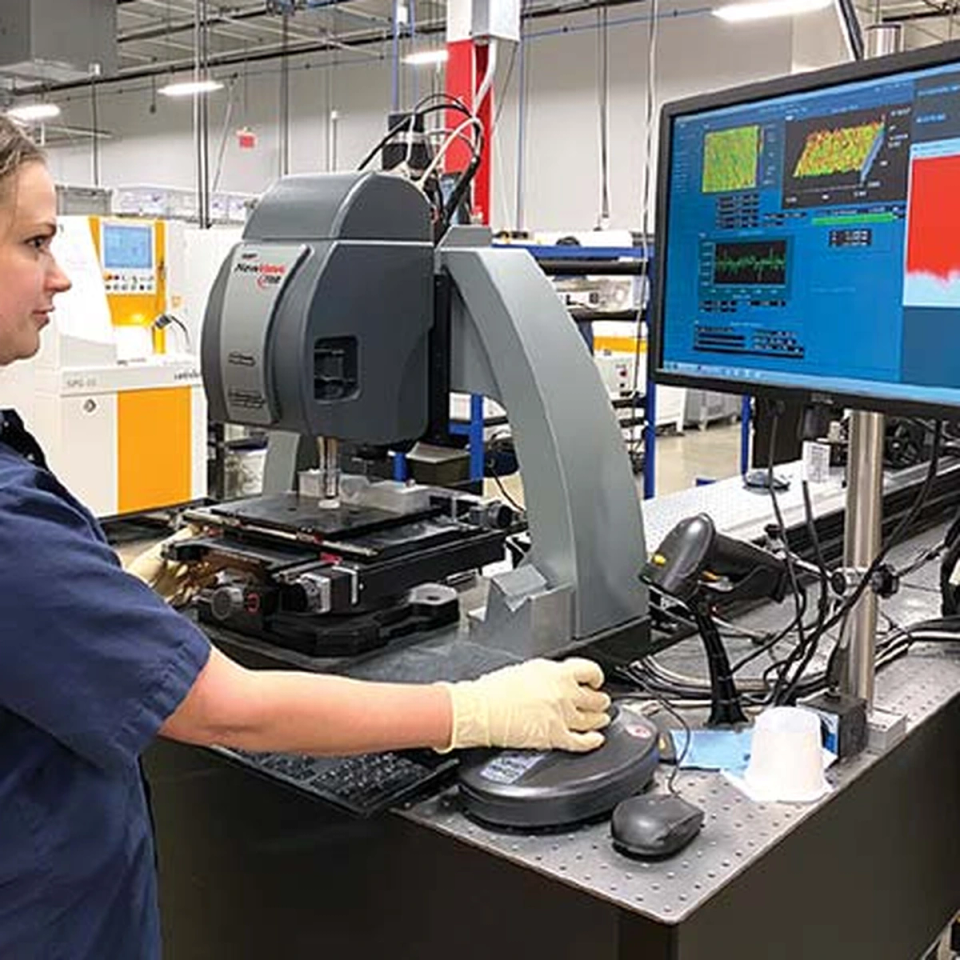
Photonics Technicians in Optics and Fiber Systems work with light-based technology, such as lasers, lenses, mirrors, and fiber optic cables, that powers high-speed internet, medical devices, and advanced cameras. They assemble and fine-tune tiny optical parts, run tests with tools like oscilloscopes, microscopes, interferometers, and optical spectrum analyzers, and carefully record data to help engineers improve designs. They also help build and test prototypes, follow strict clean room and chemical safety rules, and suggest design or material changes that can make photonic devices work better, last longer, or cost less to produce.
Did you know?
Most positions require an associate degree in photonics, electronics, or related field, along with hands-on training in laser safety and optical systems.
At a glance
Typical average pay
$75,800 Avg/yr
Growth
Stable
Top skill
Reading Comprehension
Things to consider
Safety Compliance and Regulatory Knowledge
Technicians must understand OSHA laser safety standards and maintain certifications to work safely with potentially hazardous optical equipment.
Growing Industry Demand
The field offers strong job prospects due to expanding applications in telecommunications, medical devices, and advanced manufacturing sectors.
Key responsibilities
Optimize photonic process parameters by making prototype or production devices.
Perform diagnostic analyses of processing steps, using analytical or metrological tools, such as microscopy, profilometry, or ellipsometry devices.
Assemble components of energy-efficient optical communications systems involving photonic switches, optical backplanes, or optoelectronic interfaces.
Mix, pour, or use processing chemicals or gases according to safety standards or established operating procedures.
Compute or record photonic test data.