Power Plant Operators
Power plant operators control the massive systems that generate electricity for entire communities, operating complex equipment like turbines, generators, and reactors from high-tech control rooms. They monitor computer systems and digital displays to ensure power flows safely and efficiently, adjusting controls to match electricity demand throughout the day. These operators work as part of a team, communicating with other facilities to coordinate the electrical grid that powers everything from your smartphone to entire cities. The job requires technical training and strong problem-solving skills, with many operators learning through specialized programs at community colleges or on-the-job training.
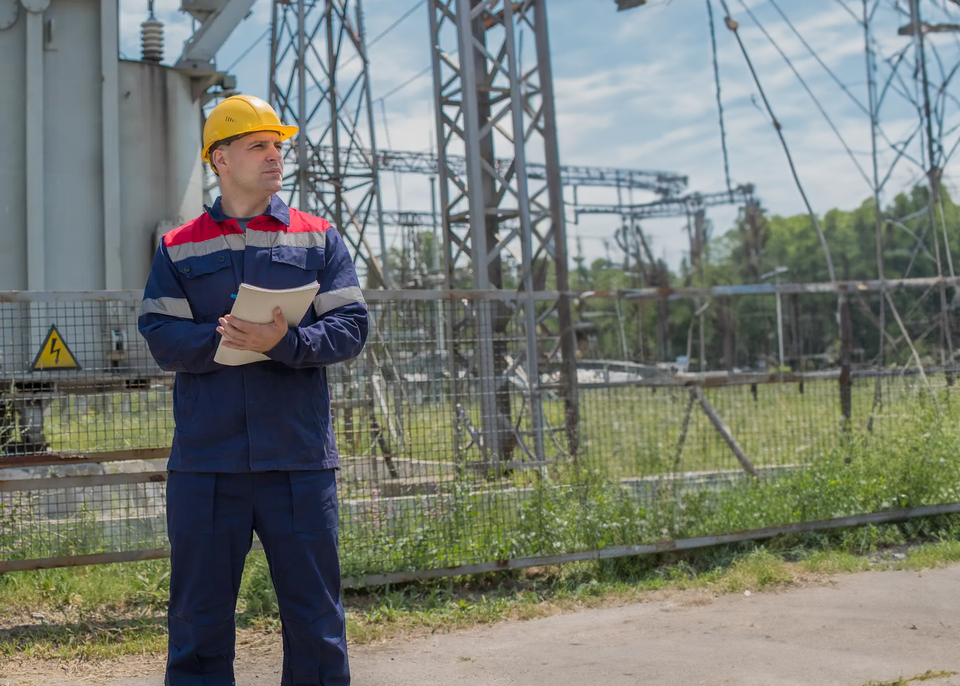
Did you know?
Power system technicians must strictly follow OSHA regulations and utility safety protocols when working with high-voltage electrical equipment to prevent serious injuries or fatalities.
At a glance
Typical average pay
$98,100 Avg/yr
Growth
Stable
Top skill
Operations Monitoring
Things to consider
Physical Demands
The role requires working outdoors in all weather conditions, climbing utility poles or towers, and lifting heavy equipment, making physical fitness essential.
Training and Certification
Most positions require completion of specialized technical training programs and ongoing certification maintenance to stay current with evolving electrical systems and safety standards.
Key responsibilities
Prepare and submit compliance, operational, and safety forms or reports.
Open and close valves and switches in sequence to start or shut down auxiliary units.
Operate or maintain distributed power generation equipment, including fuel cells or microturbines, to produce energy on-site for manufacturing or other commercial purposes.
Monitor well fields periodically to ensure proper functioning and performance.
Operate, control, or monitor equipment, such as acid or gas carbon dioxide removal units, carbon dioxide compressors, or pipelines, to capture, store, or transport carbon dioxide exhaust.