Sheet Metal Workers
Sheet metal workers create and install metal products like air conditioning ducts, roofing, and building panels by cutting, shaping, and joining thin metal sheets. They use precision measuring tools, welding equipment, and computer-aided design software to select materials, drill holes, and fasten pieces together using various techniques like welding and riveting. This hands-on career combines technical skills with problem-solving as workers collaborate with construction teams to fabricate custom parts on-site. Many enter the field through apprenticeships or technical training programs that teach both traditional metalworking and modern fabrication technologies.
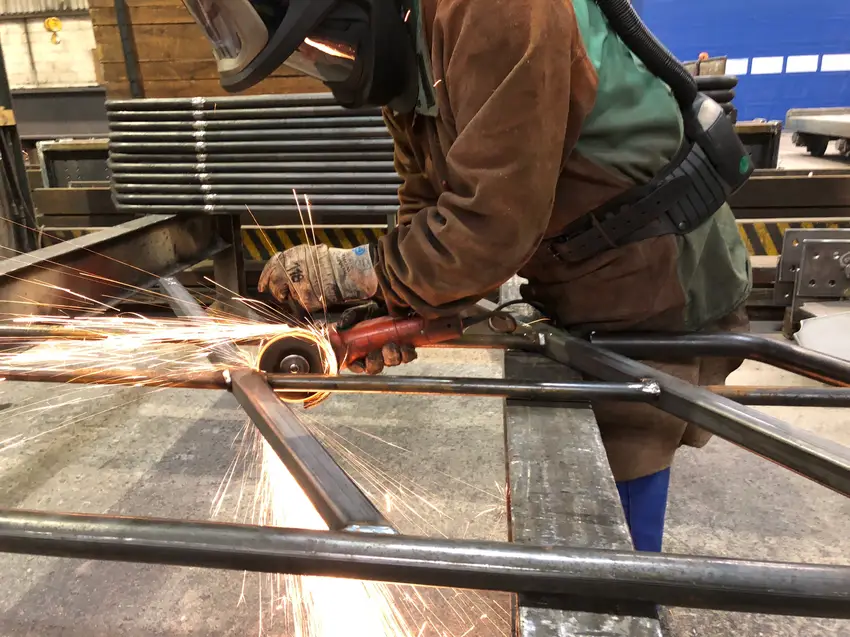
Did you know?
This occupation requires physical stamina and strict adherence to OSHA safety protocols due to exposure to heavy machinery, sharp materials, and potentially hazardous working conditions.
At a glance
Typical average pay
$62,900 Avg/yr
Growth
Stable
Top skill
Monitoring
Things to consider
Technical Skills and Certifications
Employers often prefer candidates with formal training from trade schools or apprenticeships, along with certifications in welding, blueprint reading, and CNC machine operation.
Industry Demand and Job Stability
Employment opportunities are generally stable in construction, aerospace, and automotive sectors, with growth tied to infrastructure projects and manufacturing reshoring trends in the United States.
Key responsibilities
Select gauges or types of sheet metal or nonmetallic material, according to product specifications.
Install assemblies, such as flashing, pipes, tubes, heating and air conditioning ducts, furnace casings, rain gutters, or downspouts in supportive frameworks.
Finish parts, using hacksaws or hand, rotary, or squaring shears.
Verify that heating, ventilating, and air conditioning (HVAC) systems are designed, installed, and calibrated in accordance with green certification standards, such as those of Leadership in Energy and Environmental Design (LEED).
Fabricate ducts for high efficiency heating, ventilating, and air conditioning (HVAC) systems to maximize efficiency of systems.