Sports Officials
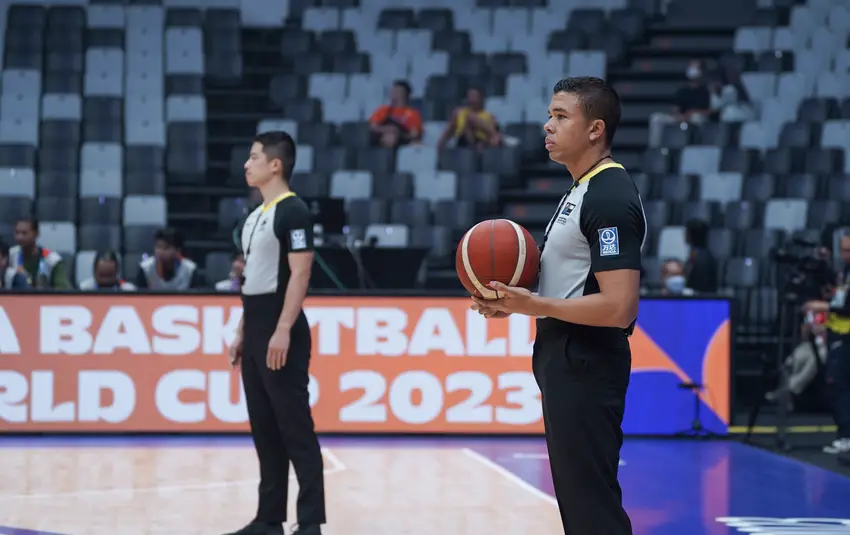
Sports officials make sure games are played fairly by enforcing rules and keeping everyone safe during athletic competitions. You'll referee matches, judge performances, track game time, and settle disputes between players or coaches. Modern officials use instant replay technology, electronic timing systems, and wireless communication devices to make accurate calls. This career requires strong decision-making skills, physical fitness, and often involves evening and weekend work at various sports venues.
Did you know?
Most states require sports officials to complete certification programs through state athletic associations and attend regular training sessions to maintain their credentials.
At a glance
Typical average pay
$39,400 Avg/yr
Growth
Fast growing
Top skill
Speaking
Things to consider
Physical and Mental Demands
Officials must maintain good physical fitness to keep up with game action and develop strong stress management skills to handle high-pressure situations and confrontational coaches or players.
Variable Income Levels
Compensation ranges dramatically from volunteer positions in youth sports to substantial pay at collegiate and professional levels, with most officials working part-time and needing supplemental income.
Key responsibilities
Teach and explain the rules and regulations governing a specific sport.
Officiate at sporting events, games, or competitions, to maintain standards of play and to ensure that game rules are observed.
Report to regulating organizations regarding sporting activities, complaints made, and actions taken or needed, such as fines or other disciplinary actions.
Signal participants or other officials to make them aware of infractions or to otherwise regulate play or competition.
Inspect game sites for compliance with regulations or safety requirements.