Veterinary Technologists and Technicians
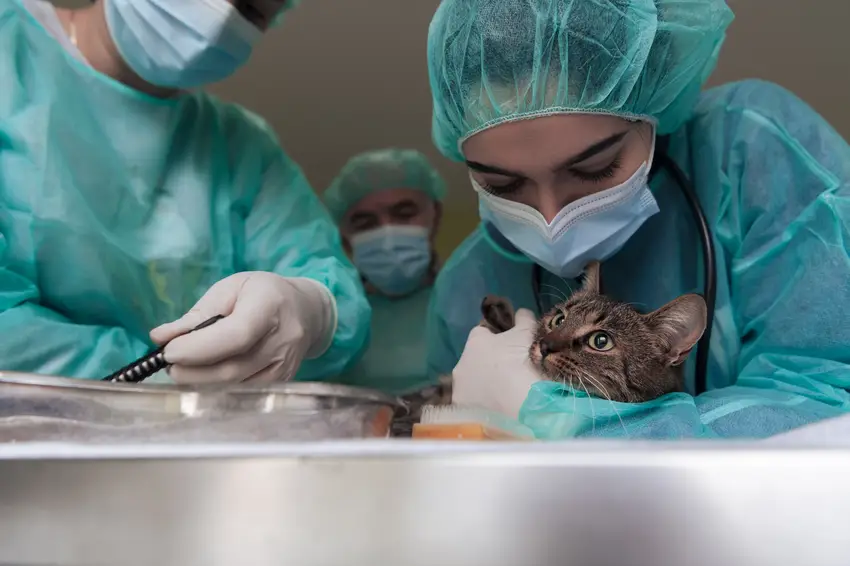
Veterinary technologists and technicians work alongside veterinarians to help diagnose and treat sick or injured animals. They perform medical tests like blood work and x-rays, provide nursing care, assist with surgeries, and administer medications and vaccines. Using modern diagnostic equipment and computer systems, they monitor animals during procedures and keep detailed medical records. This career combines hands-on animal care with medical technology, and you can enter the field through associate degree programs in veterinary technology.
Did you know?
Veterinary nurses in the US must complete an accredited veterinary technology program and pass the national licensing exam (VTNE) to practice legally.
At a glance
Typical average pay
$43,800 Avg/yr
Growth
Fast growing
Top skill
Critical Thinking
Things to consider
Emotional and Physical Demands
The role involves emotionally challenging situations including animal euthanasia and requires physical stamina for restraining animals and long hours on your feet.
Modest Compensation Despite Specialized Training
Veterinary technicians typically earn lower wages compared to other healthcare professionals despite requiring specialized education and certification.
Key responsibilities
Give enemas and perform catheterizations, ear flushes, intravenous feedings, or gavages.
Supervise or train veterinary students or other staff members.
Monitor medical supplies and place orders when inventory is low.
Take and develop diagnostic radiographs, using x-ray equipment.
Maintain laboratory, research, or treatment records, as well as inventories of pharmaceuticals, equipment, or supplies.